Natural Pools & Swimming Holes in Aruba: What’s Open and Closed
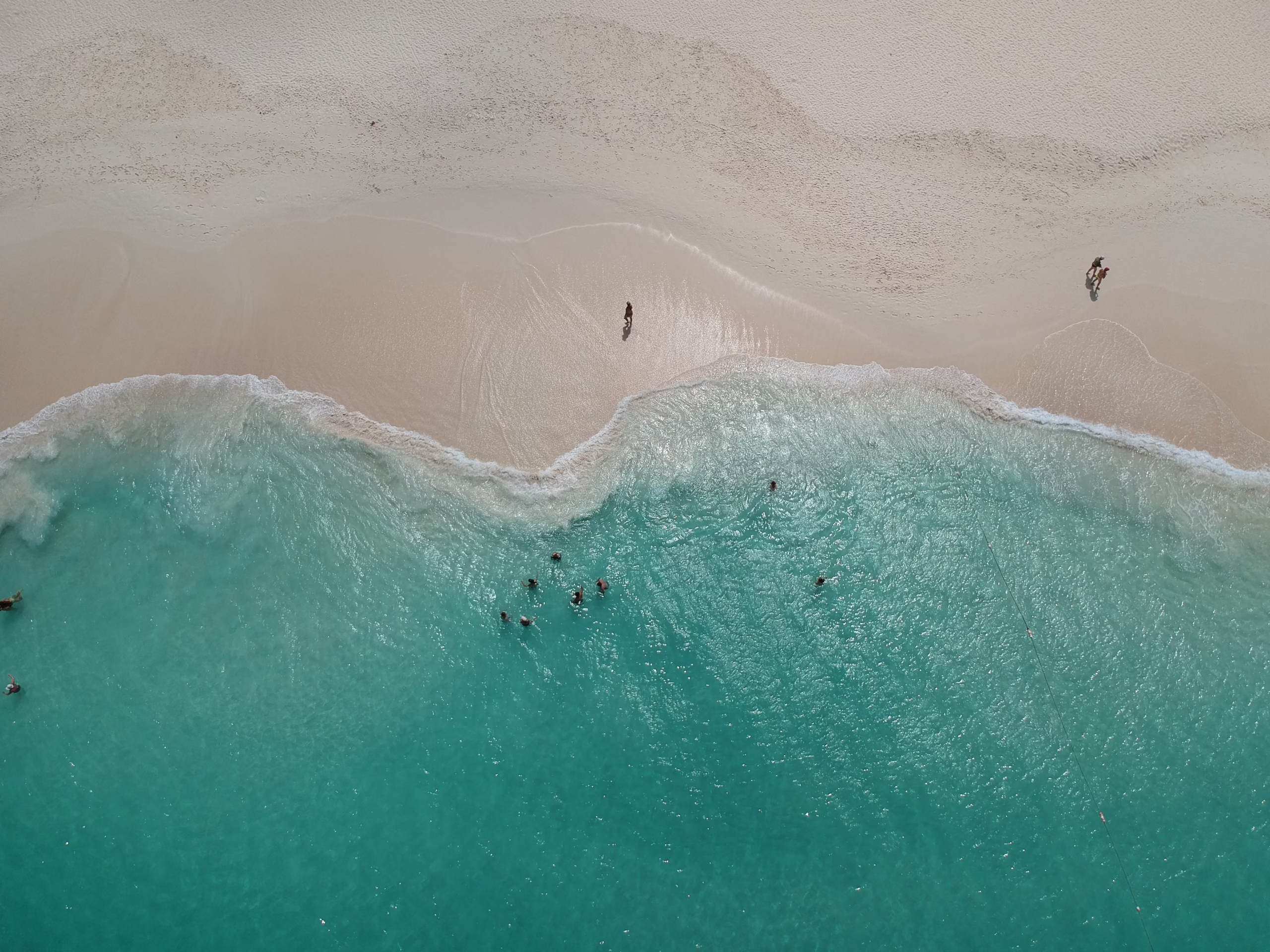
Aruba’s swimming holes split into two camps: the famous Natural Pool at Arikok, and the cave pool people ask about at Guadirikiri. One opens and closes with the sea. The other stays closed to swimmers, full stop.
I have lived between Bristol and Aruba since 2016, and I have watched plenty of travellers burn a morning driving toward a pool that shut at dawn. So here is the layout as it stands: what the sea permits, what the park forbids, and where to put your towel instead.
The Natural Pool is a weather-dependent swim. Guadirikiri’s cave pool is not a swim at all.
What’s Open and Closed Right Now
| Site | Status | Swim Allowed | Access | Notes |
|---|---|---|---|---|
| Natural Pool (Conchi) | Open when the sea is calm; closes during high swell | Yes, conditions permitting | 4×4, ATV, guided tour, or long hike | No lifeguard. Cliff edges stay slick. |
| Guadirikiri Cave Pool | Closed to swimming | No | Viewing from the marked path only | Bat colony and fragile limestone. |
| Boca Catalina | Open | Yes | Road parking, short walk | Calm water, good snorkeling. |
| Arashi Beach | Open | Yes | Road parking, facilities nearby | Easy entry, family-friendly. |
Status moves with swell and park guidance, so check the Arikok National Park official site and Aruba Tourism Authority notices before you load the cooler into the car. A pool that was glassy on Monday can be a churning wash on Tuesday.
Natural Pool (Conchi): Open, But Only When the Sea Allows
Conchi sits on Arikok’s north coast, a bowl of volcanic rock that fills when the Atlantic behaves itself. On calm mornings the water is clear enough to see the bottom and warm enough for a long soak. When north swell runs, waves crash over the rim, the park closes access, and that closure is not a suggestion dressed up as advice.
Reaching it takes commitment. You drive the rutted track in a 4×4, ride an ATV, or walk in from the coast road, which runs roughly forty minutes over loose rock at a decent pace. The reward is a swim in a stone bathtub with spray flying past your shoulder, and the price is sharp lava underfoot and no shade anywhere near it.
- Go early. Trade winds build through the late morning and push chop into the pool.
- Wear shoes with grip. Wet volcanic rock cuts like broken glass.
- Leave valuables in your vehicle or with your tour van.
- Never jump from the cliff edge into the pool. Depth changes with the tide.
- Carry more water than feels sensible. There is nothing to buy out there.
Local tip: if the park flag is red at Conchi, do not talk your way around it. The rangers have watched what the swell does to that rim.
Book a guided Arikok 4×4 or ATV run and you skip the track-finding, the tire pressure debate, and the parking scramble. Compare the options on our Tickets & Tours page, or read the wider park context on the Arikok National Park hub first.
Guadirikiri Cave Pool vs. Natural Pool
Guadirikiri Cave Pool
Closed to swimming. The water inside the cavern is a viewing feature, not a swimming hole. Bats roost above it, the limestone stays damp and crumbly, and park rules prohibit entry of any kind.
Natural Pool (Conchi)
Open only when sea and park conditions allow. You reach it by guided tour, 4×4, or a rugged hike. This is the swim people mean when they say “Aruba natural pool”.
Why Guadirikiri’s Cave Pool Is Not for Swimming
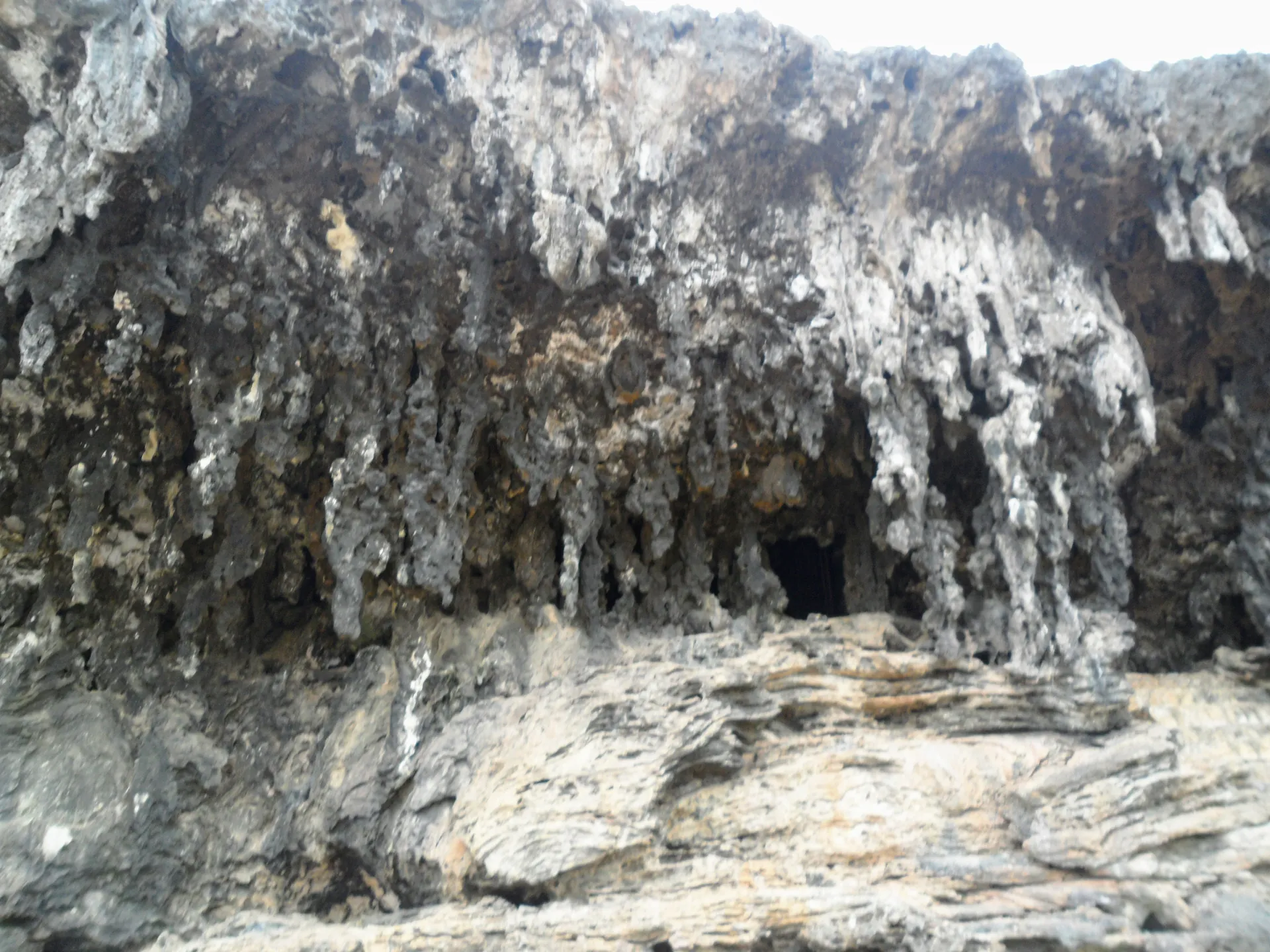
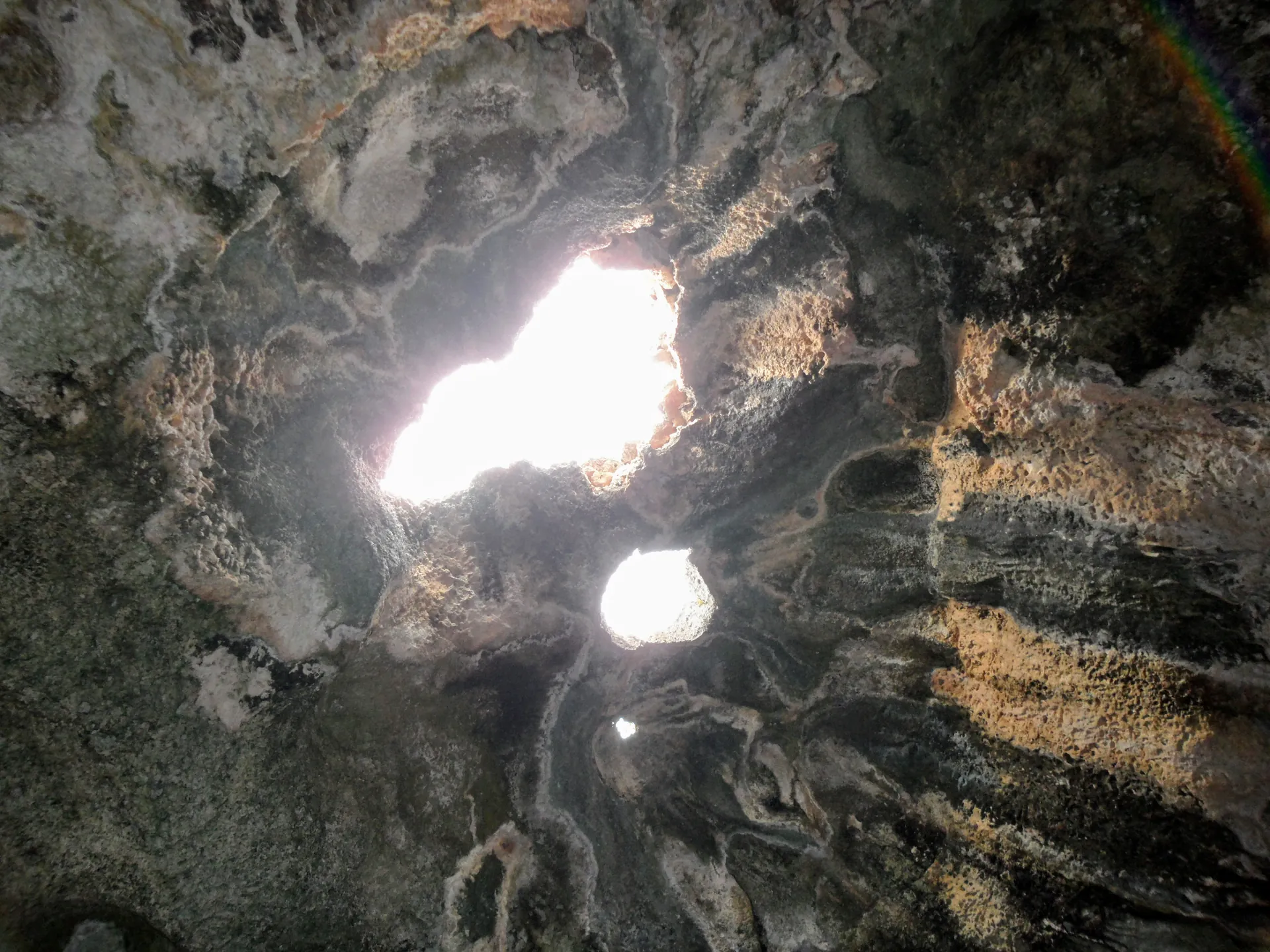
Guadirikiri Cave is a limestone cavern with two chambers, roof openings that drop columns of light onto the floor, and a resident bat colony. The pool below is shallow, dark, and ecologically delicate. Swimming there would disturb roosting bats, churn sediment into water that never really flushes, and damage formations that took millennia to build. That is the short answer to why the cave pool in Aruba is closed.
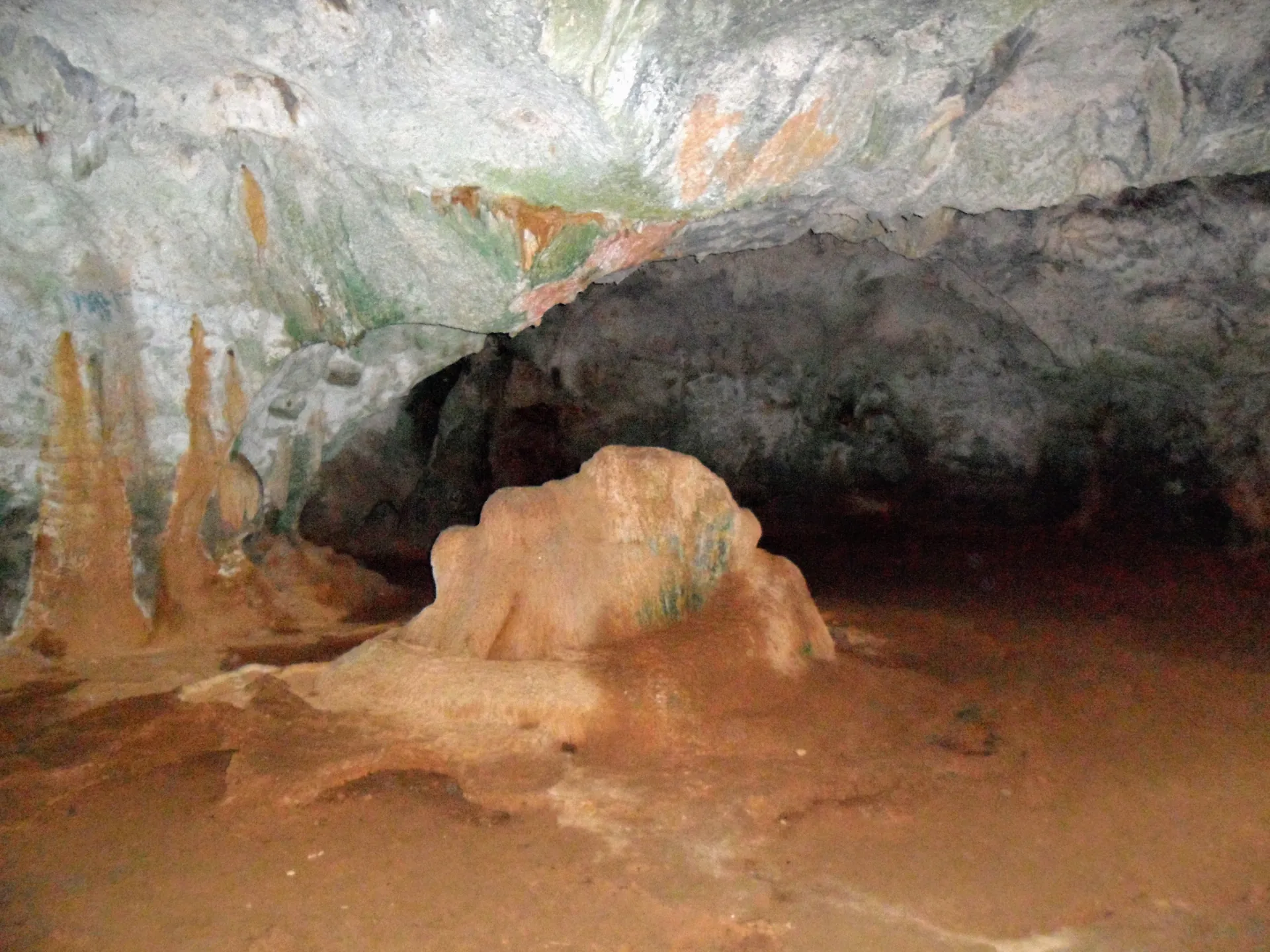
- No swimming, wading, or dipping hands in the cave pool.
- No flash photography around bats. A single burst can scatter a colony.
- Stay on marked paths and platforms. Barriers exist for a reason.
- Light your way with a torch or phone screen, and keep the beam low.
Guadirikiri is for looking up, not for getting in.
The park’s own guidance is blunt on this point. Read the official Arikok regulations alongside our Visitor Rules & Guidelines before you drive out. Access to the cave itself is straightforward, and our transport guide covers the stairs, the parking, and the entry fee.
Safe Swimming Alternatives & Tour Access
| Swim Spot | Conditions | Access | Best For | Book |
|---|---|---|---|---|
| Arashi Beach | Calm, clear | Drive, taxi, bus | Families, easy entry | No tour needed |
| Boca Catalina | Calm, reef close by | Drive, short walk | Snorkeling | Catamaran cruises |
| Natural Pool (Conchi) | Weather-dependent | 4×4, ATV, guided hike | Adventure, scenery | Arikok tours |
| Baby Beach | Very calm | Drive south | Young children | No tour needed |
| De Palm Island | Sheltered | Ferry transfer | All-inclusive day | Day trip packages |
Aruba has no waterfalls and no rivers that run year round, and the interior is desert scrub rather than jungle. Wild crocodiles do not live here either, though a few caimans sit behind glass at one of the island attractions. What Aruba does have is a coastline with sheltered bays, and those bays are where you should spend your swimming hours.
If you want a guided swim with transfer and gear thrown in, browse the Tickets & Tours page. A Natural Pool and Indian Cave jeep safari pairs Conchi with the cave stops, while a catamaran snorkel sail trades cliff water for calm reef. For park context, start with the Arikok hub.
Tide, Cliff, and Tour Access: What Changes Day to Day
The Natural Pool’s mood shifts with north swell, wind direction, and tide. A calm Tuesday can flip into a closed Wednesday, and operators watch the forecast the way fishermen watch clouds. Cliffs above the pool are not viewing platforms. They are wet, jagged, and fully exposed, and the rock underfoot is the kind you want real shoes for.
That closure pattern occured often enough during my first winter here that I stopped planning Conchi as a fixed stop. I plan it as a maybe, then build the day around caves, the coast road, and a beach swim that cannot be cancelled by the Atlantic.
- Morning slots usually carry lighter wind and thinner crowds.
- Afternoon swell can shut the pool with almost no warning.
- Cruise-ship days crowd the main Arikok stops between 10am and 2pm.
- Wet season brings slick trails, sudden showers, and hurried ranger decisions.
Local tip: pack a dry bag even if you have no plan to swim. Spray off the north coast soaks everything you carry on the hike in.
For island-wide weather patterns and park notices, the Aruba Tourism Authority and the Government of Aruba publish official updates. Time your cave visit around the light with our Best Time to Visit guide, and check photos of the chambers so you know what you are aiming the lens at.
What to Book Instead of a Cave Pool Swim
Arikok 4×4 & Natural Pool Tour
Bumpy, breezy, and the simplest route to Conchi when the track is open. Guides know the closure system and reroute toward caves, beaches, and viewpoints whenever the pool shuts.
Catamaran & Snorkel Cruise
If you want water time you can count on, a coastal catamaran swaps cliff pools for sheltered snorkel bays, with Boca Catalina and Malmok on most routes and gear included.
Travellers unsure which cave deserves the morning should read Fontein Cave vs Guadirikiri, which breaks down time, access, and what each one does better. Packing for the desert drive is a separate job, and the Arikok packing and safety list covers water, hats, and phone signal gaps in the park.
Map: Natural Pool & Guadirikiri Cave
That Quadirikiri cave Aruba map puts the cavern and the north coast pool in the same frame, which is useful once you realise the two sit within one park boundary. Distances look tiny on screen. On gravel, with a headwind, they are not.
Responsible Visiting: No Swimming, No Touching, No Flash
Aruba’s caves and pools survive because visitors follow the rules. That means no swimming in Guadirikiri’s cave pool, no hands on the formations, no flash at the bats, and no scrambling over closed barriers for one better photo. Carry out every wrapper, bottle cap, and crumpled tissue you walked in with.
- Wear closed-toe shoes with grip. Sandals on wet limestone end badly.
- Bring water, particularly for midday Arikok drives.
- Use a red-light filter if you photograph bats.
- Follow ranger instructions the first time they are given.
- Keep voices low inside the chambers. Sound carries further than you think.
Read the full Visitor Rules & Guidelines, dip into Aruba cave etiquette for the regional picture, and skim the history and geology of the cavern if you want to understand exactly what your footsteps are crossing. Travellers arriving by air can confirm schedules through the Aruba Airport Authority.
Plan Your Arikok Day
Skip the guesswork. Book a guided Arikok tour with flexible cancellation, or build your own loop with the park pass, the rental car limits, and the cave pool closure already accounted for. Quadirikiri cave Aruba tours fill early in high season, and the good morning slots go first.