Best Beaches Near Arikok for Post-Cave Relaxation
Post-Cave Beaches: Where to Cool Off After Guadirikiri
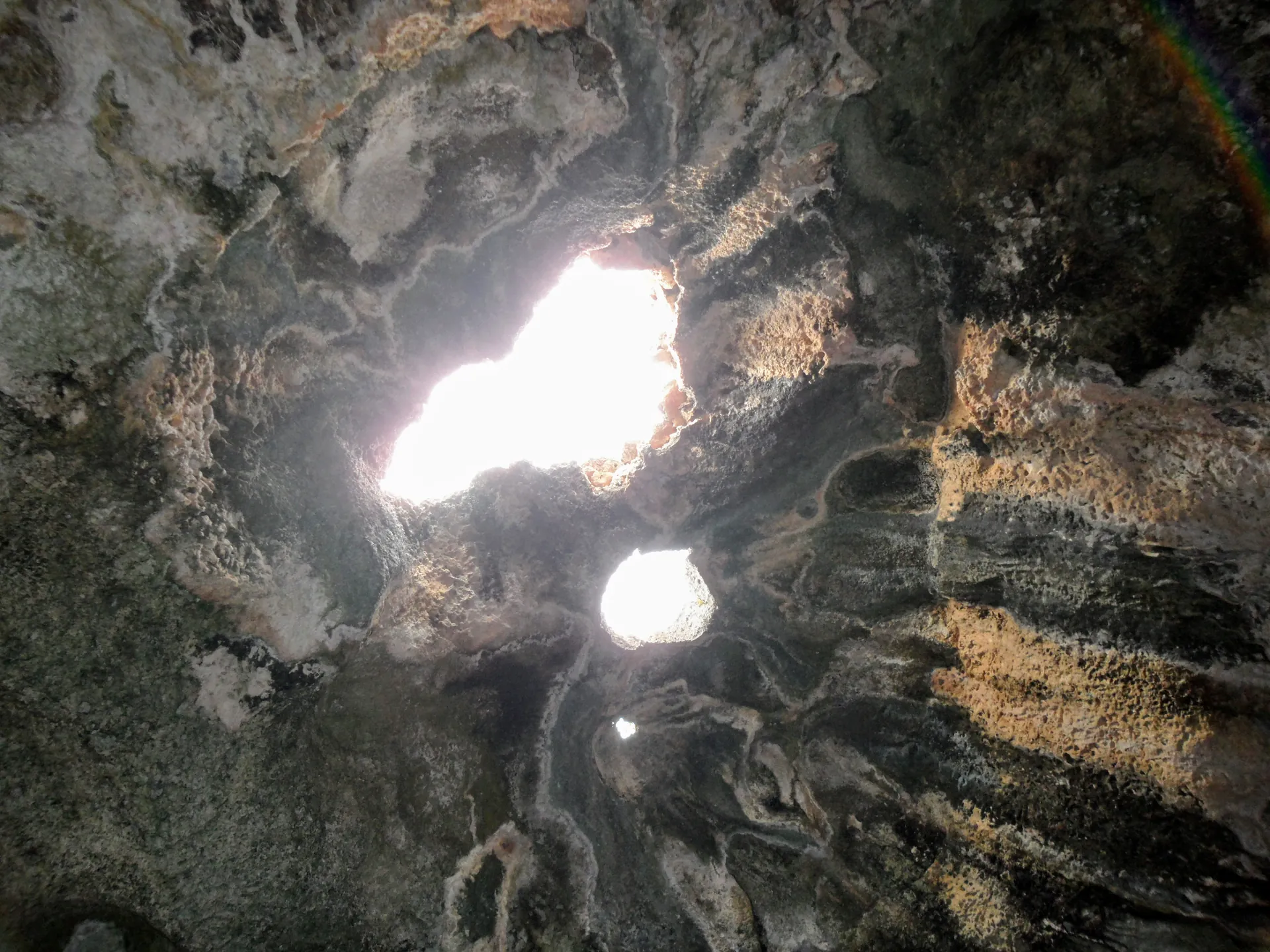
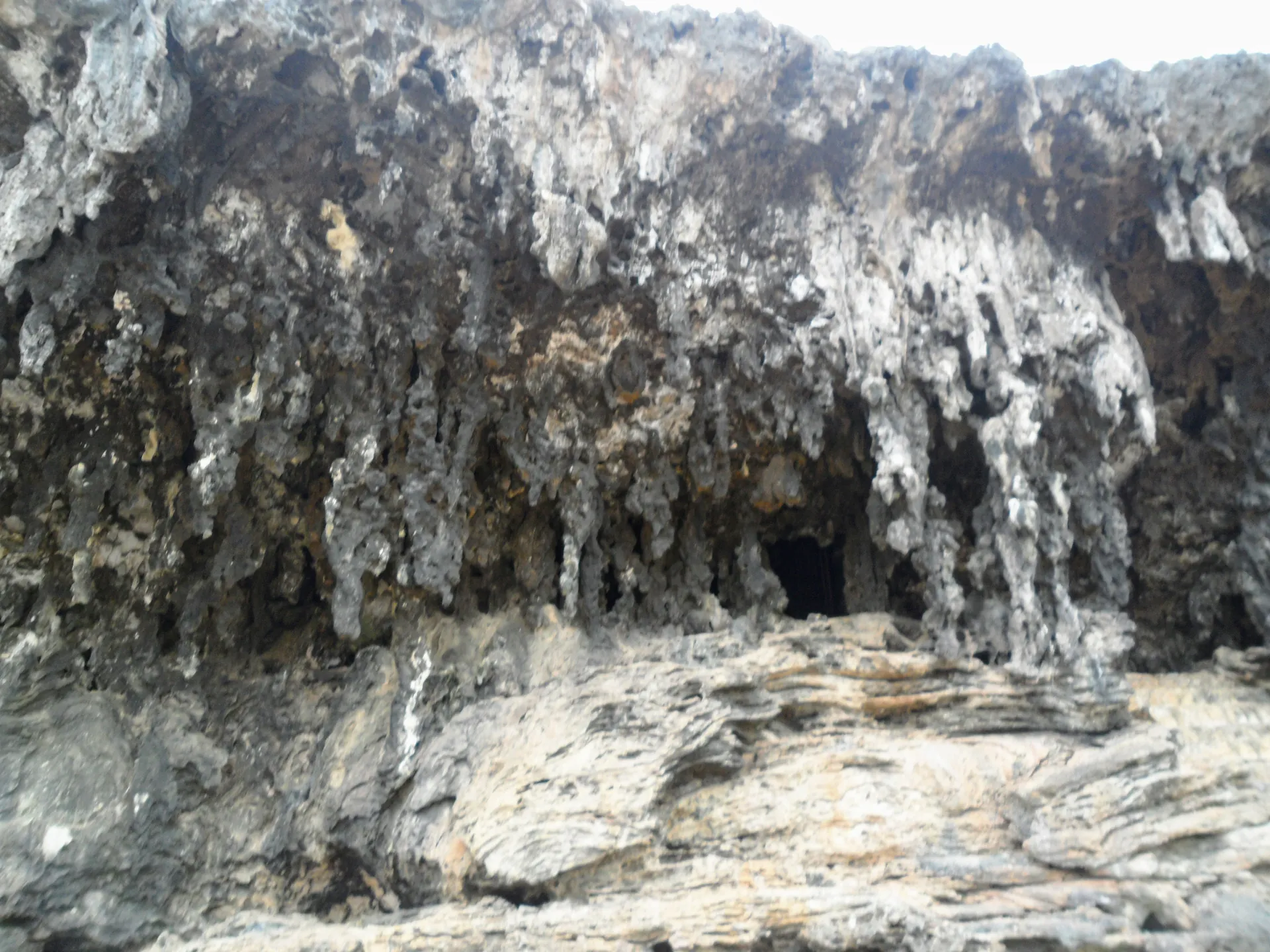
Walking out of Guadirikiri’s second chamber, two things hit you at once: full sun on the back of your neck and the smell of salt somewhere past the scrub. Limestone dust sits on your forearms like chalk. Your shirt is damp, your eyes are still adjusting from that honeycombed darkness, and the instinct arrives fast. Find water. Sit down. Do nothing for an hour. The awkward part is that the beaches closest to the cave are exactly the ones you shouldn’t swim in, while the ones worth swimming in sit half an hour down the road. That tension runs through everything below.
I have made this drive more times than is sensible since 2016, usually with a chipped enamel mug of coffee going cold in the cup holder, and the beaches below are the four I keep coming back to. Two of them are inside Arikok National Park. Two of them aren’t. Only two of the four are any good for swimming, and the ranking will probably surprise you.
The Closest Beaches Are Not the Swimmiest
Aruba’s trade winds arrive from the east-northeast and they do not take days off. That single fact explains why the island’s windward coast looks like the set of a nature documentary and behaves like a washing machine, and why the leeward coast a twenty-minute drive south is flat as glass most mornings. The wind shapes the sand, sorts the shells, and decides which coves you can wade into with a four-year-old and which ones you photograph from the cliff and leave alone.
Dos Playa and Boca Prins sit on the windward edge of the park. They are the postcard shots, the ones that end up on phone wallpapers, and neither has a lifeguard, a shower block, or a single sign telling you the current will pull your legs sideways. Baby Beach and Rodgers Beach sit on the southeast corner near San Nicolas, in the trade-wind shadow, and they behave like a lagoon because they are one. Getting from cave to swimmable water means committing to a drive. There’s no way around it.
If you’re still deciding how you’ll cover the park at all, the transport and access guide covers rental car restrictions, taxi costs, and which roads your hire car contract actually allows you to use.
Arikok’s Two Coasts
North and Northeast: Dos Playa, Boca Prins
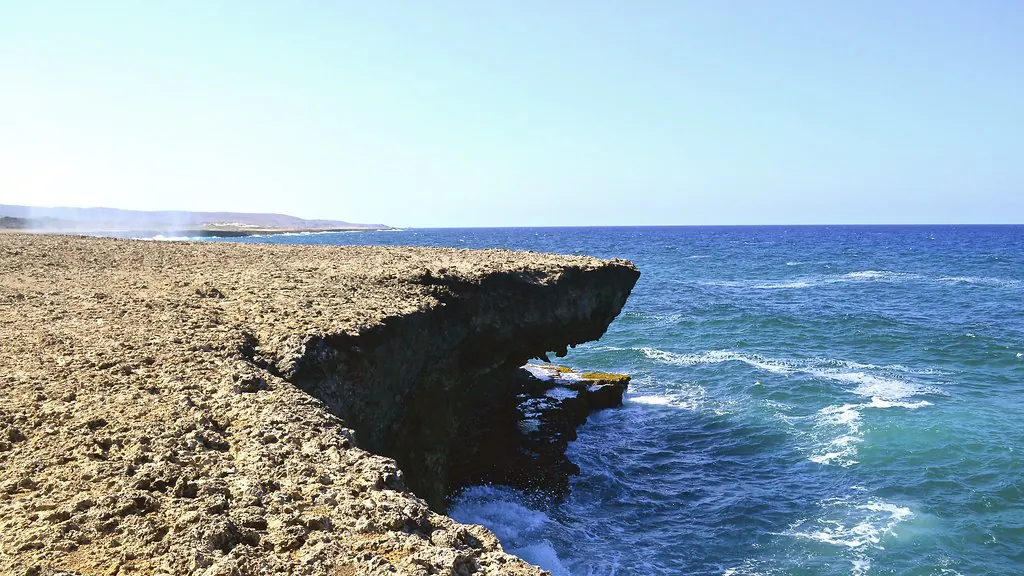
Windward coast inside the park boundary. Limestone cliffs, coral rubble instead of soft sand in places, persistent swell, rip currents, and no lifeguards at any point. Scenery is the entire point here. You go for the light, the cliffs, and the photographs, and you stay ankle-deep if you go in at all.
Southeast: Baby Beach, Rodgers Beach
Seroe Colorado, down by San Nicolas. Sheltered by the island’s own bulk, the water here is shallow, warm, and slow. Palapa shade, snack stalls, rental chairs, and snorkelling in knee-to-chest depth. This is where you actually recover from the cave, the heat, and the drive.
Dos Playa: Twin Bays, Zero Handrails
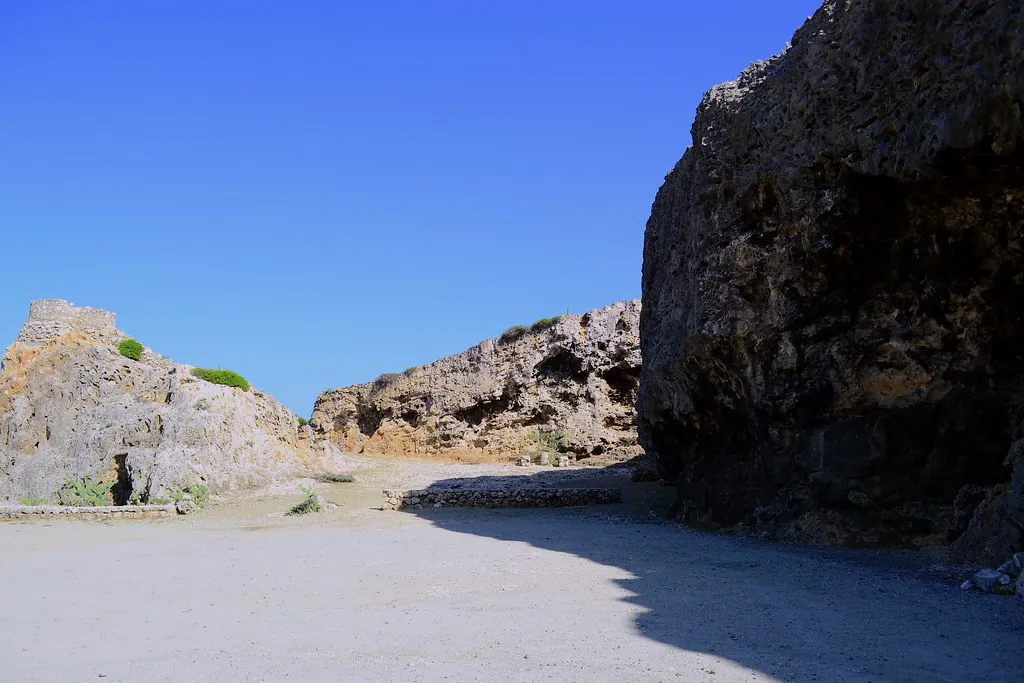
Two coves split by a limestone ridge, both inside the park, and both a short walk from a gravel car park that has no shade worth speaking of. The sand is pale and coarse, the water is a deep blue that photographs beautifully even on a phone, and the surf hits the shore with real weight. This is a scenery beach in the purest sense. Geologists like me get giddy about the exposed layers in the ridge between the two bays, because you can read the island’s whole limestone story in about forty metres of rock.
- Swimming: Strong shore break, rips along the northern cove, no lifeguard and no signage. Ankle-deep is fine. Knee-deep is a decision.
- Facilities: None. No toilets, no water tap, no shade structure, no bins.
- Best for: Photography, a slow walk between the bays, watching the swell come in from a safe distance.
- Access: Inside Arikok, so the park entry fee applies. Unpaved road, suitable for a proper 4×4 rather than a saloon car you love.
Stand on the ridge between the two bays around 3pm and the light does something to the water that no filter has ever managed. Bring water. There is nowhere to buy any.
Boca Prins: Dunes, Cliffs, and a Cold Drink
Boca Prins is the easier of the two north-coast stops, and the one I’d send a first-time visitor to. The pyramid sand dunes behind the beach are the draw for most people, soft white mounds that shift with the wind and give you a reason to keep your shoes on. A wooden staircase carries you down the cliff face to the sand, which takes five minutes and feels like considerably more on the way back up in midday heat.
The water is rough here too. Same rules apply. What makes Boca Prins worth the detour is that it has something Dos Playa doesn’t: a small bar and grill near the car park, where you can sit with a cold drink and watch the coast do its thing. That single cold drink after a cave visit is worth more than it sounds.
- Swimming: Not recommended. Persistent current, no lifeguard, no warning flags.
- Facilities: Small bar and restaurant near the parking area. Toilets available when it’s open.
- Best for: The dune walk, cliff photographs, a cold beer before you drive south.
- Timing: Twenty minutes is enough. Forty if you’re eating.
Baby Beach: The Swimmer’s Payoff
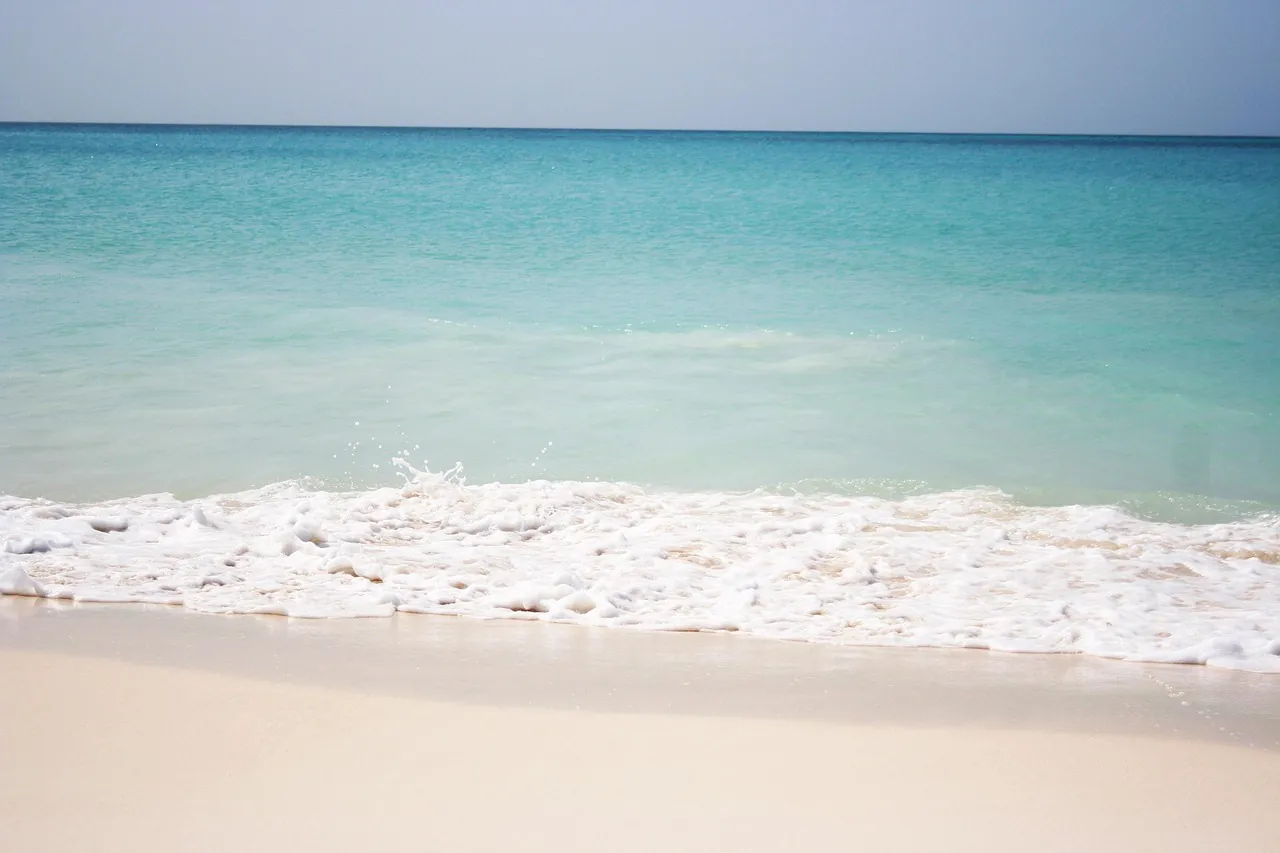
Baby Beach is the answer to every question you ask yourself while you’re standing in the sun at Boca Prins. It’s a protected lagoon at Seroe Colorado, ringed by a shallow shelf of sand, and the water stays waist-deep for what feels like a hundred metres out. You can float on your back and see your own feet. Small tropical fish drift past your knees before you’ve even adjusted your mask, which makes it the easiest snorkelling on the island for anyone who has never done it before.
The catch is distance. From Guadirikiri’s car park to the Baby Beach car park is a thirty-five to forty-minute drive, mostly on paved road, and you’ll pass through San Nicolas on the way. Call it fifty minutes if you hit traffic or stop for snacks, which you will.
- Swimming: Calm, shallow, protected. The best swim near Arikok by a wide margin.
- Facilities: Palapa shade, chair and umbrella rentals, snack stalls, restrooms, and a beach bar. Cash is handy for the smaller vendors.
- Best for: Families, first-time snorkellers, anyone who wants to actually get in the water.
- Access: Outside the park, so no Arikok entry fee. Public beach, no charge to enter.
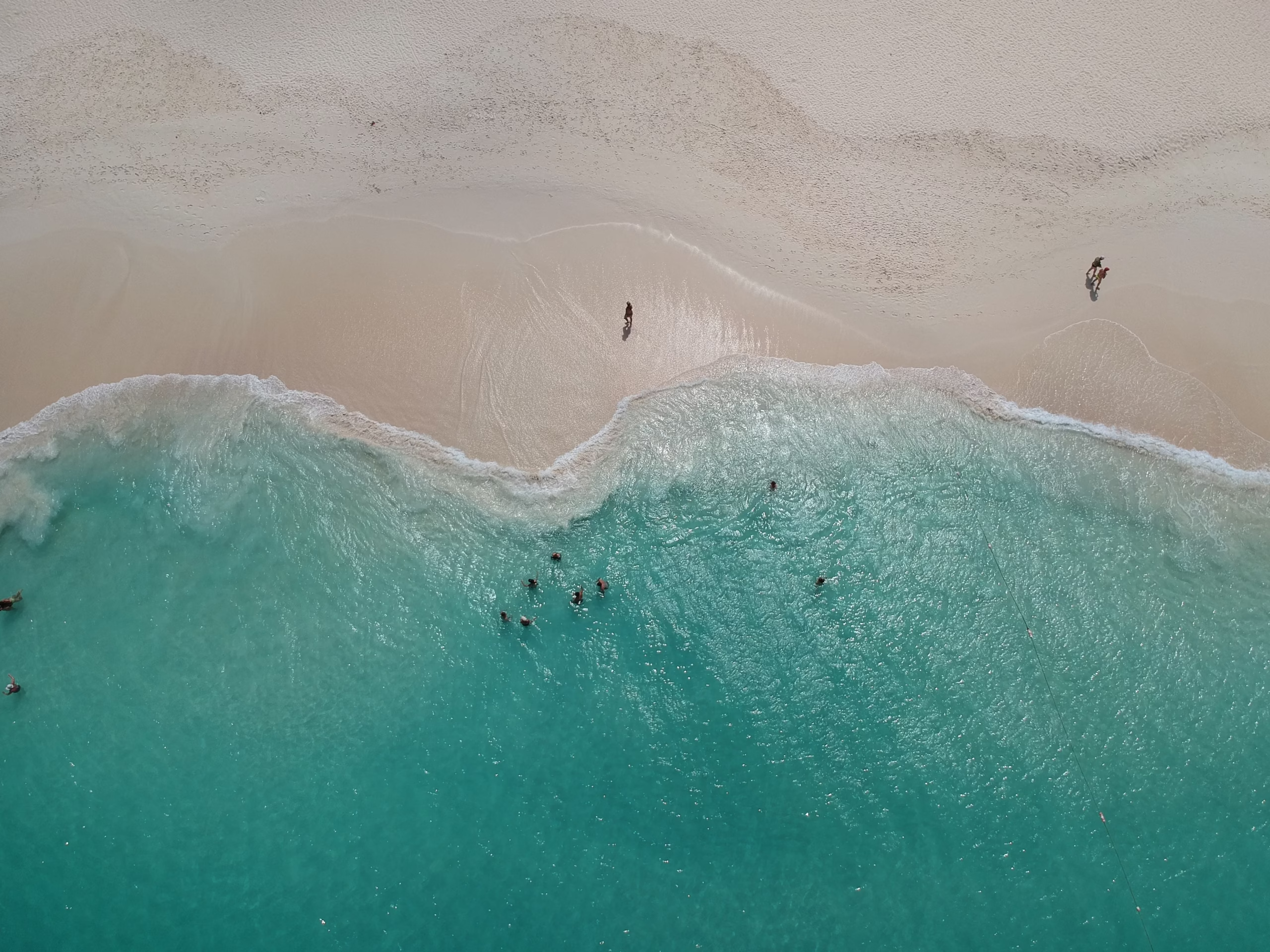
Wind across the lagoon builds through the afternoon, usually between one and four o’clock, so the calmest window is late morning. Check the live conditions above before you commit to the drive south.
Rodgers Beach: Wind, Kites, and Quiet Sand
Rodgers Beach is Baby Beach’s quieter neighbour, tucked into the next cove along the same stretch of coast. The water is generally calm, though it catches more breeze than Baby Beach does, which is exactly why the kitesurfers like it. On a good afternoon the sky over Rodgers fills with coloured canopies and the whole bay turns into a free show.
The refinery sits on the horizon here, which bothers some visitors and fascinates others. It’s part of San Nicolas’s story, and the coastline around it has been quietly rewilding for decades. What you get for the trade-off is space, a fraction of the crowd, and a stretch of sand where you can lay out a towel and hear yourself think.
- Swimming: Sheltered and mostly calm, but windier than Baby Beach and with no lifeguard on duty.
- Facilities: Minimal. Some shade structures, occasional vendors, no dependable restrooms.
- Best for: Quiet afternoons, kitesurfing watching, travellers who want a beach without a crowd.
Beach Comparison at a Glance
| Beach | Coast | Swim Safety | Facilities | Best For | Access |
|---|---|---|---|---|---|
| Dos Playa | North Arikok | Strong surf, rip currents, no lifeguard | None | Scenery and photography | Inside Arikok, park fee applies, unpaved road |
| Boca Prins | North Arikok | Rough water, persistent current | Small bar and grill | Dunes, short leg-stretch, cold drink | Inside Arikok, short walk from parking |
| Baby Beach | Southeast, Seroe Colorado | Calm, shallow lagoon | Palapas, chairs, snack stalls, restrooms | Swimming, snorkelling, families | Free entry, 35 to 40 min drive from the cave |
| Rodgers Beach | Southeast, Seroe Colorado | Calm but windier, no lifeguard | Limited | Quiet sand, kitesurfing views | Free entry, adjacent to Baby Beach area |
Why the Wind Does What It Does
Aruba is dry because of where it sits. The island lies south of the main hurricane belt and well outside the equatorial rain band, so moist air rarely parks itself overhead. What you get instead is near-constant easterly airflow that scours the landscape, scatters the topsoil, and leaves the divi-divi trees permanently bent southwest, which is the direction you’ll find them pointing on every hillside in the park. There is no rainforest here and no jungle, despite what some tour brochures imply. There is desert scrub, cactus, aloe, and a coastline carved by wind rather than rainfall.
That same airflow hits the north and northeast coast first, building swell over open water before it reaches Dos Playa and Boca Prins. By the time the air crosses the island and settles over Seroe Colorado, it has lost most of its punch, which is why Baby Beach behaves like a swimming pool and Dos Playa behaves like a shipping lane in a bad mood.
Rough Surf, No Lifeguards, Bring Water
Safety on the North Coast
Neither Dos Playa nor Boca Prins has a lifeguard, a flag system, or a rescue board within walking distance. Rip currents form in the gaps between the limestone ridges and they will move you sideways faster than you expect. If you get caught, swim parallel to the shore until the pull eases, then angle back in. Don’t fight it head-on and don’t turn your back on the swell while you’re posing for a photo. Children stay within arm’s reach, always, and if you have any doubt about the water, stay on the sand.
Facilities Reality Check
Dos Playa has nothing. Boca Prins has a small bar and grill. Rodgers Beach is bare-bones. Only Baby Beach has the full set: shade, seating, food, and toilets. Carry at least two litres of water per person for any park beach stop, because the nearest shop is a drive away and heat exhaustion creeps up quietly when you’re distracted by how good the coast looks.
Eating Your Way Back
The drive south from the park to San Nicolas runs through Savaneta, and Savaneta is where you should be eating. Zeerovers serves fresh fish straight off the boat on a wooden deck over the water, priced by weight, and it fills up fast, so arrive before six or expect a wait. Flying Fishbone a little further along does the fancier version, with tables set at the waterline and staff who will genuinely let you eat with your feet in the sea. Both are worth planning your afternoon around.
Closer to the cave, Boca Prins’s snack bar handles cold drinks and light food during park hours. At Baby Beach, the beach bar and the stalls around the car park cover everything from cold coconuts to grilled snacks. Bring cash for the smaller vendors and don’t assume every beach stall has a card machine that works.
More context on the park itself, including pass details and how the cave sits within the wider loop, lives on the Arikok National Park hub. The Arikok National Park Foundation publishes current entry fees, seasonal hours, and any closures; verify before you drive out, because both change through the year.
Best Time of Day for a Post-Cave Beach
Morning cave, early afternoon beach. That sequence works because the sunbeams inside Guadirikiri are at their best before about 10am, when the light drops through the roof holes at a usable angle, and because the trade winds haven’t fully woken up over Seroe Colorado until roughly one o’clock. Get to Baby Beach by 11:30 and you’ll have two hours of flat, clear water before the breeze picks up and the kite crowd arrives.
Sunset at Baby Beach is genuinely lovely, with the light going soft over the lagoon, but the drive back to Oranjestad or Noord in the dark on unfamiliar roads isn’t everyone’s idea of a good ending. If you’re staying in San Nicolas, reverse the plan entirely and do the cave in the afternoon instead. The full breakdown of light and crowd patterns sits on the best time to visit page.
Getting There and the Park Pass
You can drive to Guadirikiri Cave and you can drive to every beach on this list, but the roads inside Arikok are unpaved and rough in places, and most standard rental car contracts exclude them. Check your agreement before you commit. If the terms don’t allow it, either book a 4×4, take a guided tour, or hire a taxi for the day and negotiate a waiting rate.
| Item | Detail |
|---|---|
| Arikok entry fee | Roughly $11 / €10 per adult, children under 12 free. Verify current rates before you go. |
| Park hours | Approximately 8:00am to 4:00pm daily. Last entry earlier than closing. |
| Guadirikiri to Baby Beach | 35 to 40 minutes via San Nicolas, paved most of the way |
| Guadirikiri to Dos Playa | 15 to 20 minutes, unpaved, inside the park |
| Guadirikiri to Boca Prins | 10 to 15 minutes, unpaved, inside the park |
| Turtle nesting season | March through September on the San Nicolas beaches; keep distance and lights off at night |
One thing worth knowing before you plan around it: the Natural Pool, the collapsed-roof sea pool on the north coast that plenty of old guides still call a swimming hole, has been closed to swimming for years and access is often restricted altogether. Nobody should be selling you a swim in it. If a tour operator promises that, walk away.
What to Bring
- Closed-toe shoes for the dune sections at Boca Prins and the rocky ground at Dos Playa. Sandles will not survive the walk back up.
- Reef-safe sunscreen and a hat that stays on in wind, which rules out most of what you packed.
- Two litres of water per person minimum. There is no shop inside the park.
- Snorkel gear if Baby Beach is on the plan. Rentals exist there, but your own mask fits better.
- A dry bag for phones and keys. Salt water and unpaved roads are a poor combination for electronics.
- Cash in small notes for beach vendors and snack stalls.
Respect the Coast and Leave It Alone
Baby Beach and Rodgers Beach both sit on a stretch of coastline where sea turtles come ashore to nest between roughly March and September. Nests are marked and monitored by volunteers and park staff. Keep well back, keep lights and flash off after dark, and don’t let anyone dig near a marked area. Shell collecting is illegal in the park and discouraged everywhere else on the island, and the same goes for coral, which is alive whether it looks it or not.
On the wildlife question people ask constantly: Aruba has no resident alligator or crocodile population, and nothing in these waters is hunting you. The real hazards here are the sun, the current, and your own overconfidence after a long morning underground. Full etiquette and safety detail sits on the visitor rules page.
A One-Day Pairing That Works
- 7:30am: Leave Oranjestad or Noord and drive towards the park entrance.
- 8:15am: Guadirikiri Cave. Chamber one, then chamber two while the light beams are still low. Forty-five minutes is enough.
- 9:30am: Boca Prins for the dune walk and cliff photographs. Twenty minutes.
- 10:15am: Dos Playa for the twin bays, shoes on, feet dry. Fifteen minutes.
- 11:00am: Drive south through San Nicolas to Baby Beach.
- 11:45am to 3:00pm: Swim, snorkel, eat, and lie under a palapa while the wind does its worst elsewhere.
- 3:30pm: Rodgers Beach for a quiet half hour and a look at the kite crowd.
- 5:00pm: Zeerovers in Savaneta for fish and a cold drink on the water.
Tours That Pair Caves and Coast
If you’d rather not drive the unpaved sections yourself, several guided options cover both the cave and the coast in a single half day. The island jeep safari with Baby Beach and lunch runs roughly seven hours and handles the park roads for you, ending with proper swimming water. A shorter four-hour Arikok jeep safari suits anyone tight on time who still wants the cave and the north coast viewpoints. Both include hotel pickup from the main resort areas, which removes the rental car contract problem entirely.
For a full breakdown of what each option includes and where the cancellation policies differ, see the tickets and tours page.
The Post-Cave Plan
Do the cave first, do the north coast viewpoints second with your shoes on, and save the swimming for the southeast corner where the water behaves. Accept that the best swim is a drive away, pack more water than feels reasonable, and check the park’s official site before you set out, because hours and fees shift with the season and closures happen without much warning. The Aruba Tourism Authority keeps a running list of island-wide advisories worth a glance.
The closest beaches to Guadirikiri will take your breath away. Baby Beach will let you keep it.