Arikok National Park Highlights Safari Express
Island Jeep Safari with Natural Pool Baby Beach and Lunch
Aruba Natural Pool and Indian Cave Rugged Jeep Safari
Aruba UTV & ATV Adventure
Aruba UTV Adventure to Natural Pool Jeep Transfer
Aruba UTV Off-Road Driving Experience North Coast Stops
Aruba UTV Adventure: Animal Garden, North Coast & Andicuri Beach
Dolphins Search and Benagil Caves from Albufeira
Dolphin Catamaran Snorkel and Sail with Open Bar
Aruba North Coast ATV Desert Adventure
Arusun Catamaran Sail with Snorkeling in Aruba
Aruba Sunset Catamaran Sail with Appetizers and Open Bar
Morning Snorkel Sail with Premium Champagne Brunch
Aruba Happy Hour Sunset Sail with Savory Bites and Cocktails
Full-Day Aruba History and Must-See Landmarks Tour
Aruba Nightlife Party Bus Tour with Live DJ and Cocktails
Half-Day Aruba Island Tour from Oranjestad
Aruba Jeep Tour: Natural Pool, Caves and Baby Beach Adventure
Horseback Ride Tour to Natural Pool in Arikok National Park
Aruba Ecological & Coastline Horseback Ride with Beach Photo Stop
Aruba Atlantis Submarine Tour
Aruba Off-Road ATV Tour
Aruba Private Airport Transfer: Personalized Arrival
Aruba Sunset Cruise plus Seaside Dinner
UTV Morning Tour: Discover Aruba's Hidden Treasures
Aruba Sunset Sail Cruise Aboard The Dolphin Catamaran
Aruba Nightlife Party Bus with Unlimited Drinks and DJ
National Park Arikok Jeep Safari Adventures
Aruba Turtle Snorkeling Private Tour with Underwater Footage
Premium Catamaran Morning Sail: Snorkeling, Mimosas and Brunch
Your Ticketing Options
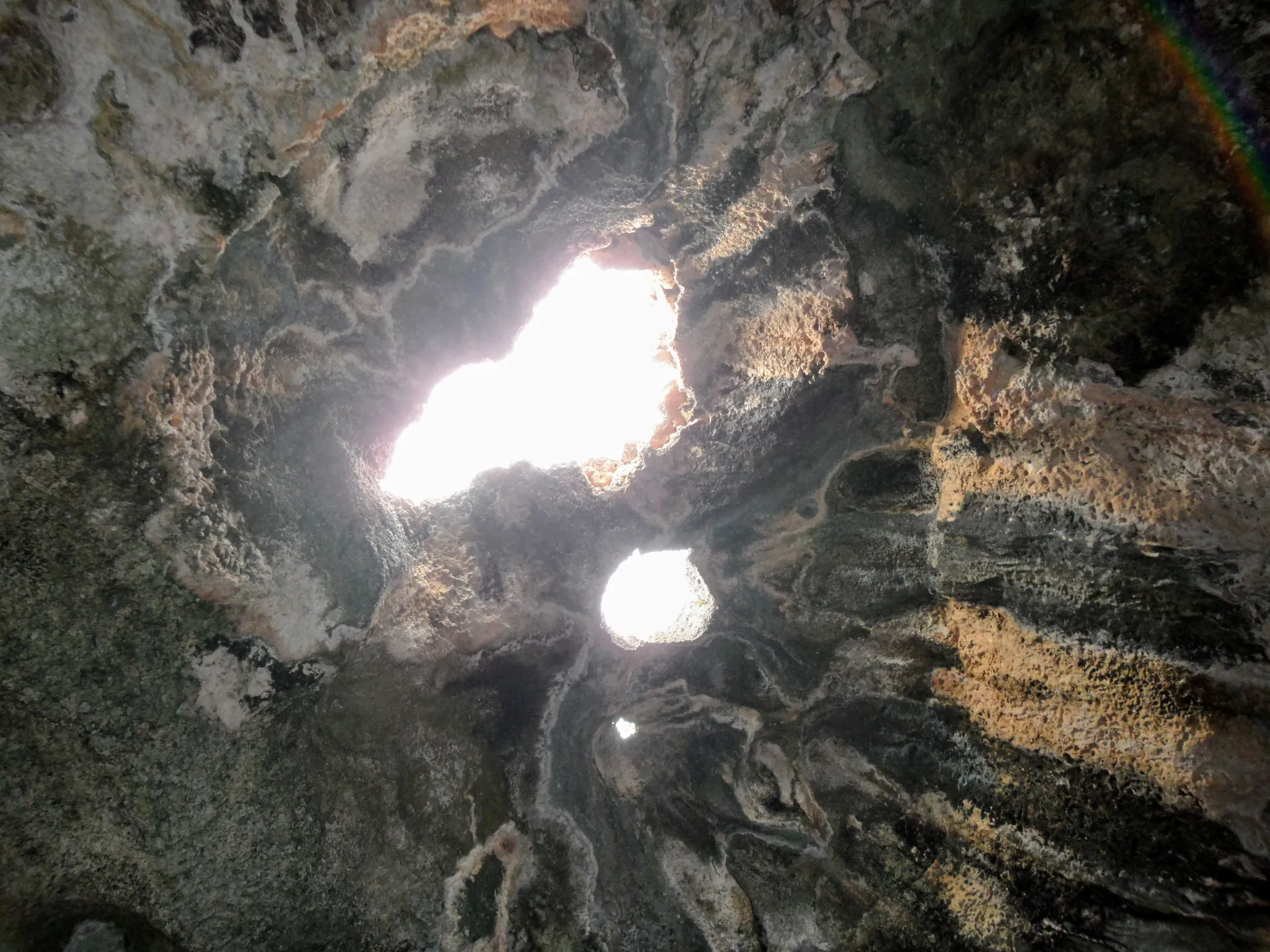
Guadirikiri Cave has no ticket window, no booth, and nobody checking wristbands at the mouth of the first chamber. The cave sits inside Arikok National Park near Santa Cruz, and the only thing you truly pay for is the park entry that moves your car through the gate. Quadirikiri cave tickets work the same way, whichever spelling you find on the signboard: one fee, the whole park, all day. Tours fold that fee into their headline price, then add a guide, a vehicle, cold water, and a driver who has done those unpaved bends several thousand times.
The tour cards above are live, and they show what a cave visit costs in any given week. Aruba’s rates move with the season and with cruise traffic, so treat any figure printed on this page as a marker rather than scripture.
How you book comes down to how you’d rather spend the day. If you want your own car, your own map, and the freedom to leave when the bats start their evening shift, buy a park pass at the gate and drive in. If you’d rather not think about water rations or the part where your passengers ask why the car is bouncing quite so much, hand the whole thing to a platform and let them sort it.
Why Travellers Book Through Tour Platforms
Viator, GetYourGuide and Headout carry most of the Aruba inventory between them, and they pull from the same pool of local operators. What you buy is the set of terms wrapped around the trip, plus a name to call when something goes sideways at 7am.
Booking through a platform
- Free cancellation on most Arikok listings, usually up to 24 hours before departure
- English-language support by chat or phone when a hotel pickup goes wrong
- Transfers from Palm Beach, Eagle Beach, Oranjestad and the cruise terminal
- A guide who knows which chamber to stand in and when the light beam lands
- Bundles that stack Guadirikiri with the Natural Pool, Fontein Cave or Baby Beach
- Park entry included on nearly every listing, so there’s no second transaction at the window
Buying at the park gate
- The lowest possible price, since the cave itself carries no separate fee
- No refund when the weather turns or your plans change; the entry fee is spent the moment it’s paid
- Queues on cruise mornings, heaviest between 10am and noon
- No transport, no water, no guide, no bundle
- English is widely spoken at the gate, though the geology and the Caquetío history live with the specialist guides rather than the entry booth
- Full control of your own clock, which matters more than most people expect
On-site purchase is completely valid, and thousands of visitors do it every month. Nothing about the platform route is compulsory, and nobody at the gate will raise an eyebrow at a self-drive arrival. The trade is straightforward: cancellations and convenience on one side, the lowest price and total independence on the other.
Pay once at the gate and the cave is yours until your legs or the heat say otherwise.
The One Ticket You Cannot Skip
Arikok National Park charges a per-person entry fee, collected at the main gate on the San Fuego road and at the park’s visitor centre. Posted rates in late 2026 sit near US$11 to US$12 for adults (roughly AWG 20 to 22), with a reduced rate around US$6 for children, and the pass covers the whole park for the day: Guadirikiri, Fontein Cave, the Natural Pool trailhead, and every rough track in between.
Nobody sells a Guadirikiri-only ticket, because none exists. If a website tries to sell you one, close the tab. The park publishes current fees and opening hours on its official site, arubanationalpark.org, and the staff at the window confirm the day’s figure. That window figure is the only one that counts. Aruba’s tourism authority, aruba.com, also keeps a current overview of park access and island-wide visitor information if you want a second source.
Pay in cash or by card. US dollars work everywhere, though change often comes back in florins, which is fine unless you were saving coins for the bus. If you’re self-driving, know which gate you’re pulling up to before you leave the resort, because the checkpoint sits mid-park and there’s no way past it.
Buy your park pass on the way in rather than the way out. The gate staff will remind you of this, kindly, and the reminder is not free. (Bon bini, but no.)
Ticket Types and Pricing
Rough figures gathered in late 2026. Recheck the live cards at the top of this page before you commit, since park fees and platform discounts both drift with the season.
| Option | Typical price (USD) | What it covers | Best for |
|---|---|---|---|
| Arikok park entry, adult | $11 to $12 per person | Full park access for the day, all caves and trails | Self-drive visitors |
| Arikok park entry, child | Around $6, confirm at the gate | Same as the adult pass | Families with a rental car |
| Shared guided cave tour, half day | $45 to $75 per person | Park entry, guide, hotel pickup, water | Visitors without a car |
| Cave and Natural Pool combo | $70 to $110 per person | Park entry, 4×4 or Jeep, guide, swim stop, drinks | Seeing the park in one run |
| Private guided tour | $250 to $450 per group | Custom route, private guide, transfers, flexible timing | Families and photographers |
| Full-island loop with Arikok | $60 to $100 per person | Multiple stops, park entry, transport | Short cruise calls |
Prices sit in US dollars because that’s what operators quote. The gap between the cheapest and the priciest listing for the same route usually comes down to vehicle type, group size, and whether lunch is thrown in. Group size matters most: six people in a Land Cruiser is a different day from sixteen in a minibus.
Cancellation, Refunds and Weather Closures
The 24-hour free cancellation standard applies to the vast majority of Quadirikiri cave Aruba tours sold through Viator, GetYourGuide and Headout. Cancel inside that window and the money returns to your card, usually within five working days. A handful of private charters ask for 48 hours or hold a deposit, so read the small print on the individual listing rather than assuming the blanket rule covers you.
A park pass bought at the gate has no cancellation at all. Rain, a closed road, a sudden change of heart: the fee stays where it is. That asymmetry is the single biggest reason people choose a platform for a trip they booked months earlier from a kitchen table in another hemisphere.
When heavy rain shuts a track, or when park rangers suspend access to the Natural Pool at Conchi because of swell, operators cancel and refund in full, including the entry fee. You do not lose money because the weather made a decision for you. Tours that can’t reach the pool often reroute through the caves and the north coast instead, and most guides will tell you about the swap before you leave the hotel.
Transfers and Pickup Logistics
Hotel pickup is included on most tours above the US$60 mark, and the window depends entirely on which zone you’re staying in. Cruise passengers get collected from the terminal in Oranjestad, usually a short walk from the gangway.
| Pickup zone | Typical window | Notes |
|---|---|---|
| Palm Beach and Noord high-rise strip | 7:30 to 8:30am | First zone on most morning routes |
| Eagle Beach and Manchebo | 7:40 to 8:40am | Ten minutes behind Palm Beach |
| Oranjestad and cruise terminal | 8:00 to 8:45am | Ask for the terminal gate number, not the port name |
| Savaneta and San Nicolas | 7:00 to 8:00am | Longest drive; some operators charge a supplement |
| Private charters | Agreed to the minute | Worth the extra if you have small children |
Budget listings sometimes skip transfer entirely and ask you to meet at the park gate or a car park in Santa Cruz. That’s not a scam, it’s just a cheaper product, and the listing will say so. Check before you book if you have no car, because a taxi to the park gate runs US$35 to US$50 each way from the hotel strip.
Group Size, Guide Language, and the Word “Small”
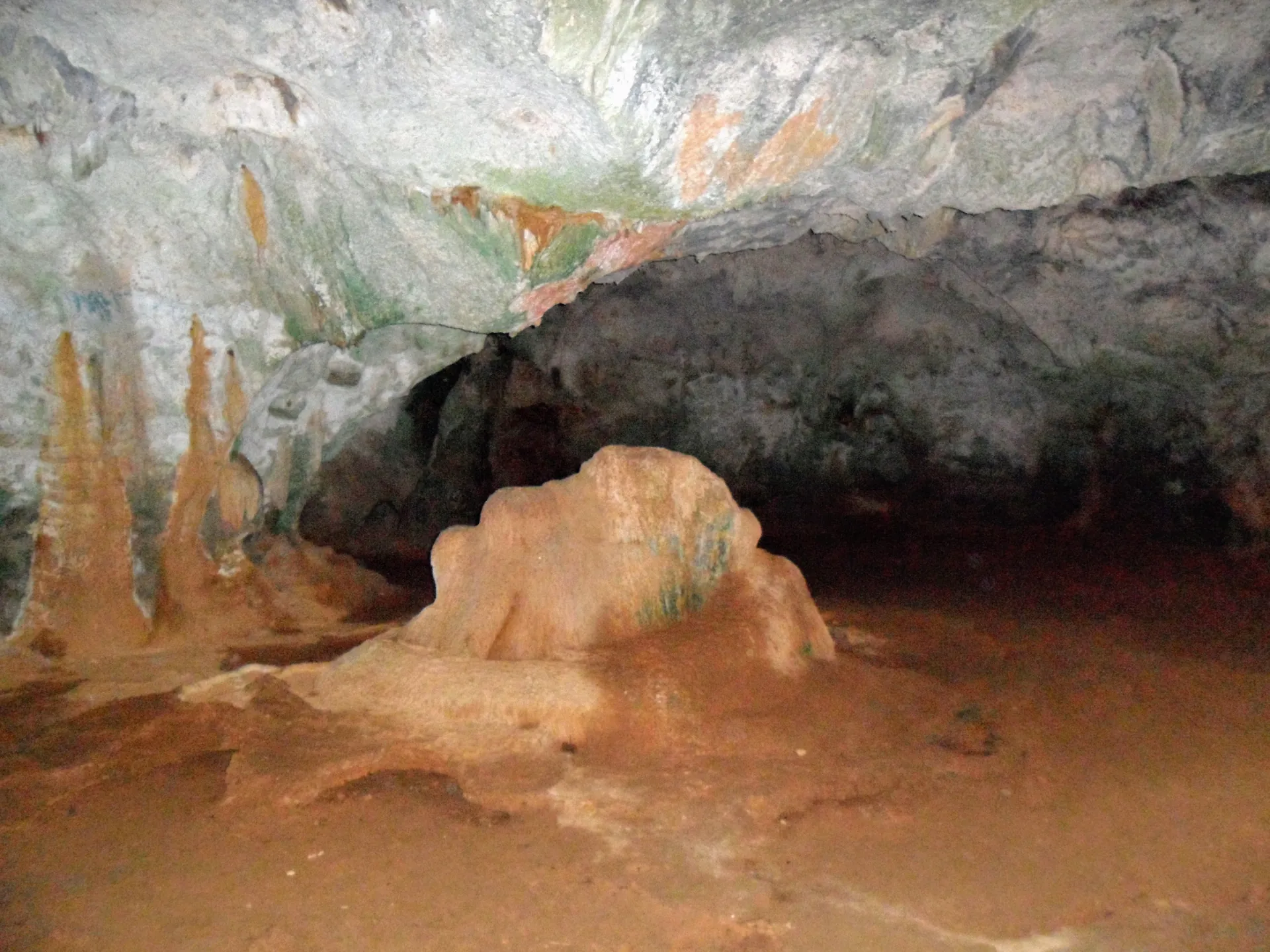
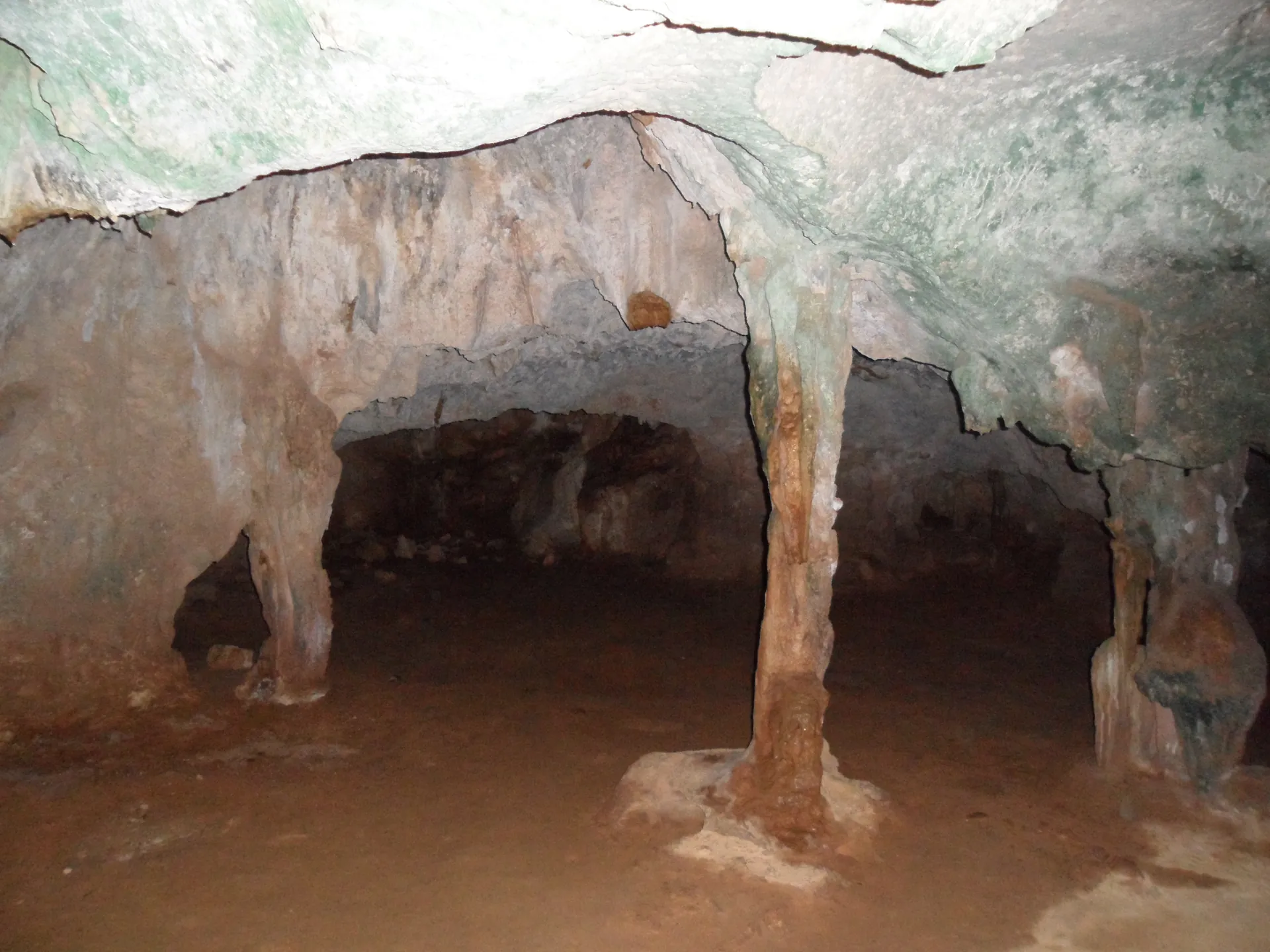
A 12-seat 4×4, a 16-person minibus and a private Jeep feel nothing alike once you’re standing inside a limestone chamber. Sound bounces off the walls, and a group of sixteen turns a quiet cathedral into a school assembly. If the geology is what you came for, filter for small-group tours and check the maximum number rather than the word “small” on the card.
English fluency is high across Aruba, and most guides narrate in English as standard. Multilingual trips often run commentary in three languages, which means the story gets cut to a third of its length. You’ll still learn what a collapsed roof hole is, but you won’t get the part about how the bats find their way out in the dark.
Skip-the-Line and Cruise-Day Queues
The queue at Arikok is a vehicle-and-paperwork queue rather than a gate queue, and it builds on multi-ship mornings when three thousand cruise passengers decide to see the same cave. Pre-booked tours bypass most of it because the operator handles the group entry in one transaction. Self-drivers sit in the line with everyone else, which on a bad Tuesday means forty minutes of idling before the barrier lifts.
Check the cruise calendar through the Aruba Ports Authority if quiet photographs matter to you. Three ships in port means midday belongs to the crowds, and no ticket tier changes that.
Bundles Worth the Money
The best-value combos pair Guadirikiri with the Natural Pool at Conchi, since both sit deep in the park and the drive between them is the expensive part. Arikok plus Fontein Cave works well for anyone drawn to the Arawak drawings, and the two caves are close enough to visit in a single morning without rushing.
Full-island loops that add the California Lighthouse and Baby Beach look generous on paper. In practice they squeeze Arikok into ninety minutes and leave you jogging back to the van. If the caves are the point, choose the shorter tour and spend your afternoon on Eagle Beach instead. Readers weighing the two main caves should look at our Fontein Cave versus Guadirikiri comparison before deciding.
What Is Not Included
- Park entry on a few cheap walking listings, which expect you to pay at the gate
- Water on budget tours; bring a litre per person regardless
- Lunch above the US$60 tier, unless the listing names the restaurant
- UTV and ATV damage waivers, often US$25 to US$50 on top of the advertised price
- Towels for the Natural Pool swim stop
- Photo packages, which some operators sell after the fact
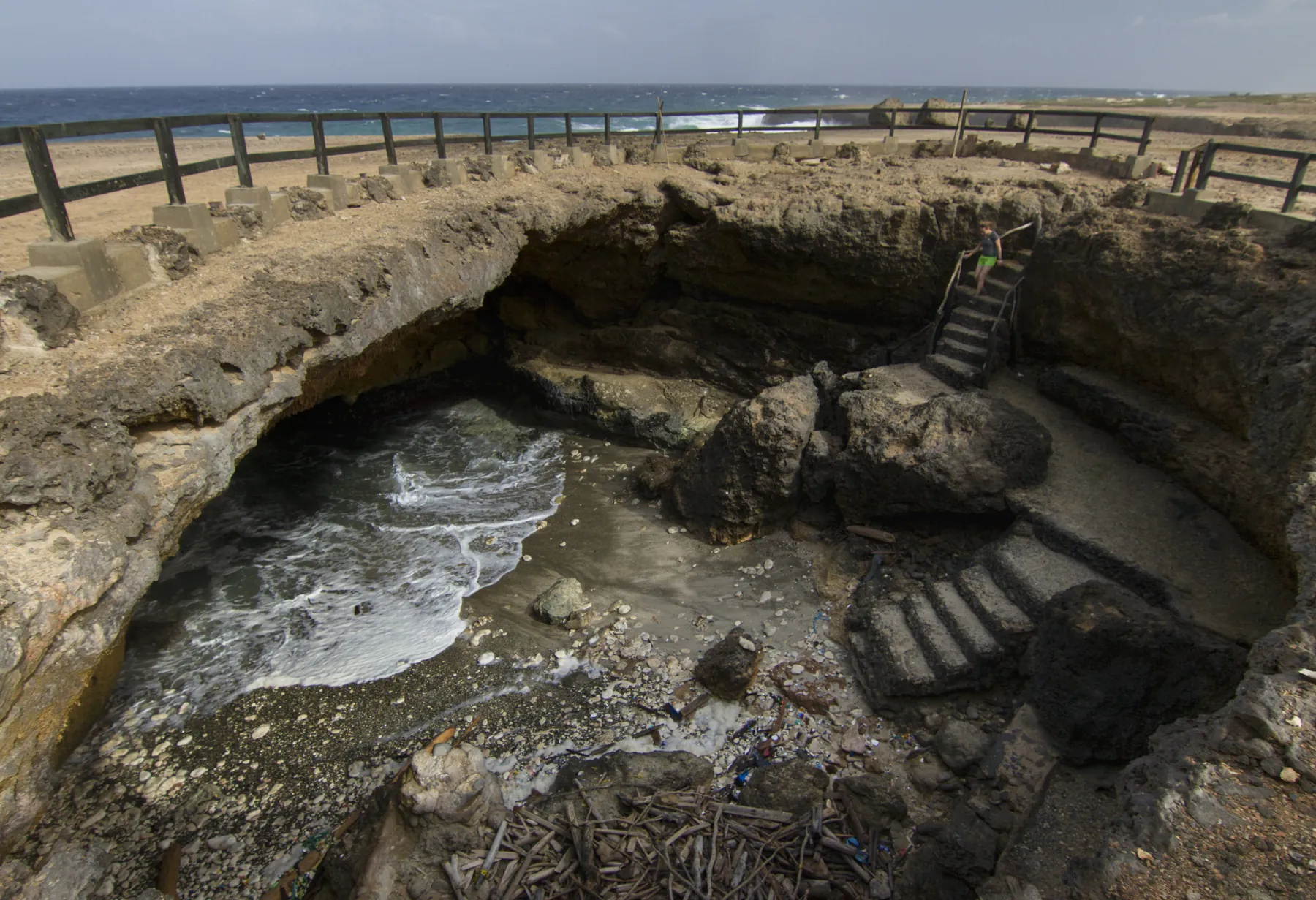
One promise no legitimate operator makes is a swim inside Guadirikiri itself. The cave pool is closed, the chambers are protected, and anybody selling you a dip in that water is selling you something that doesn’t exist. The Natural Pool at Conchi is a separate site with separate access rules, and it’s the only swim stop worth trusting on a cave tour.
Private Versus Shared: Running the Numbers
A private tour at US$350 for the group beats shared pricing the moment you pass four people. Two couples splitting it pay about US$87 each, which undercuts most shared Jeep tours and buys a flexible route, a photographer’s pace, and the option to stay in the second chamber until the light does what you came for. Solo travellers and pairs almost always come out ahead on a shared departure.
Families with children under eight should price private even when the maths looks tight. Car seats, nap timing and the freedom to leave early are worth more than the difference.
Families, Older Travellers and Access
ATV and UTV tours set minimum ages, typically six for passengers and eighteen with a full driving licence, and operators check. Walking cave tours suit most ages, though the approach involves uneven steps and loose footing at the entrance. There is no wheelchair access to either chamber, and the final stretch is a short descent that gets slick after rain.
Anyone with knee or balance concerns should ask about the surface before booking. Our Arikok packing and desert safety guide covers footwear and heat planning in detail, and the getting there page walks through the drive and the final approach on foot.
Ticketing Red Flags
- Anyone selling a standalone “Guadirikiri entry ticket”, because the cave has no entry of its own
- Cash-only operators collecting at the cave mouth, since all fees are paid at the park gate
- Listings priced under US$35 that claim to include park entry, transport and a guide
- Resold or screenshot vouchers, which operators refuse at the pickup point
- Bookings taken over WhatsApp with no cancellation policy in writing
Stick to platforms that issue a proper confirmation with a booking reference, or to operators you found through the park’s own listings. If a deal looks warmer than the rest of the market, it usually is, and not in a good way.
Timing Your Booking
December through April is peak season, and Jeep tours that cap at eight or twelve people sell out days ahead. September through November brings wet weather and softer prices, with occasional road closures in the park. Morning departures between 7:30am and 9am line up with the light beams falling through the collapsed roof, which is the reason most photographers book the first slot of the day.
Midday heat is real, and the walk from the car park has no shade. Afternoon tours trade the beams for emptier chambers, which suits anyone who’d rather hear the bats than the crowd. Read the best time to visit guide before you fix a date, and check the photography page if you’re bringing more than a phone.
Tips for Your Visit
- Buy your park pass at the gate before you drive in; the checkpoint sits mid-park and there’s no way past it.
- Arrive before 9am if you’re self-driving. Tour vans land in waves from about 10am, and the first chamber fills with voices arround 10:30.
- Wear closed shoes with real grip. The entrance floor is loose underfoot and the steps are uneven.
- Carry more water than feels reasonable. Arikok is desert, and half an hour in the sun does the work of an hour elsewhere.
- A headlamp beats a phone torch in the dark chamber, mostly because it leaves both hands free for the railing.
- Kill the flash before you point a camera at the ceiling. The bats sleep up there, and a burst of white light is a rude awakening.
- Read the visitor rules before you go. They’re short, and the rangers take them seriously.
Heat is the thing that catches people out. The cave interior stays cooler than the trail, but the walk from the car park and the drive across the park do not, and most visitors underestimate what a two-hour Arikok loop takes out of them. Check the sky over Santa Cruz before you fix a departure time, then pack for the version of the day that has no shade in it. That’s the kind of day that leaves you wanting a nap after.
Ticket and Tour Questions, Answered Straight
How much does it cost to visit Guadirikiri Cave?
Nothing beyond the Arikok National Park entry fee, which runs about US$11 to US$12 (roughly AWG 20 to 22) per adult and around US$6 for children as of late 2026. The cave has no ticket of its own, so the only variable is how you get there. A guided tour bundles that fee with transport and a guide, landing between US$45 and US$110 per person depending on how much of the park you cover.
Can I cancel a Quadirikiri cave tour for free?
Yes on most platform listings, provided you cancel at least 24 hours before the start time, and the refund goes back to your card. A few private charters ask for 48 hours or hold a deposit, so check the individual tour page. Entry fees paid at the park gate are non-refundable once the money changes hands.
Do I need to book cave tours in advance?
Yes in high season, December through April, especially for Jeep and 4×4 departures that cap at eight to twelve people. Outside those months you can usually book 24 to 48 hours ahead and still find a seat, though early morning slots go first because that’s when the light beams hit the chamber floor.
Are combo tours worth it, or should I book the cave on its own?
Combos are worth it when they pair Guadirikiri with the Natural Pool at Conchi, since both sit deep in the park and the drive is the expensive part, at US$70 to US$110 per person. If the caves are the whole point, a half-day tour at US$45 to US$75 costs less and frees up your afternoon. Full-island loops that add Baby Beach and the lighthouse tend to rush Arikok and suit short cruise calls better than dedicated cave visitors.
Is the Arikok entry fee included in Quadirikiri cave tour prices?
Yes on nearly every Viator, GetYourGuide and Headout listing for Arikok, the park entry is inside the headline price. Check the “What’s included” section anyway, because a small number of budget walking tours expect you to pay US$11 to US$12 at the gate yourself, which quietly changes the value of the deal.
Viator, GetYourGuide or Headout: which is better for Aruba caves?
They overlap heavily on Aruba inventory, so choose by price, group size and cancellation terms rather than brand loyalty. Viator carries the widest Arikok selection, GetYourGuide tends to show clearer small-group filters, and Headout often has the sharpest last-minute discounts. All three refund in full if an operator cancels on you, which is the term that actually matters.
Can I buy a ticket at the cave entrance?
No. There is no booth at Guadirikiri and no ranger collecting money at the stairs, so every visitor pays once at the Arikok park gate. That applies whether you arrive in a rental car or in a tour van whose price already accounts for the fee. Anyone asking for cash at the cave mouth is not collecting a park fee.
What happens to my money if the park closes for weather?
You get a full refund, including the entry fee, when an operator cancels because of rain, swell at the Natural Pool, or a road closure ordered by park rangers. Platform bookings refund automatically to the original payment method, usually within five working days. A gate-purchased pass is not refunded, which is the clearest practical difference between the two routes.
Do tour prices include hotel pickup?
Yes on most tours above US$60, with pickup windows from 7:30am on the Palm Beach and Noord strip, 8:00am in Oranjestad, and 7:00am from Savaneta or San Nicolas. Budget listings under US$45 sometimes skip transfers and ask you to meet at the park gate, which is a reasonable saving if you already have a car. Without one, a taxi to the gate costs US$35 to US$50 each way.
Still weighing it up? The getting there guide covers the drive, the gate and the walk down to the entrance, the Arikok National Park hub maps the nearby caves, and the history and geology page explains how the roof holes came to be. Once you’ve booked, the visitor rules cover what happens inside the chambers, and the photos page shows you what your camera will be facing.