Local Food Near Arikok: What to Eat After Cave Exploring
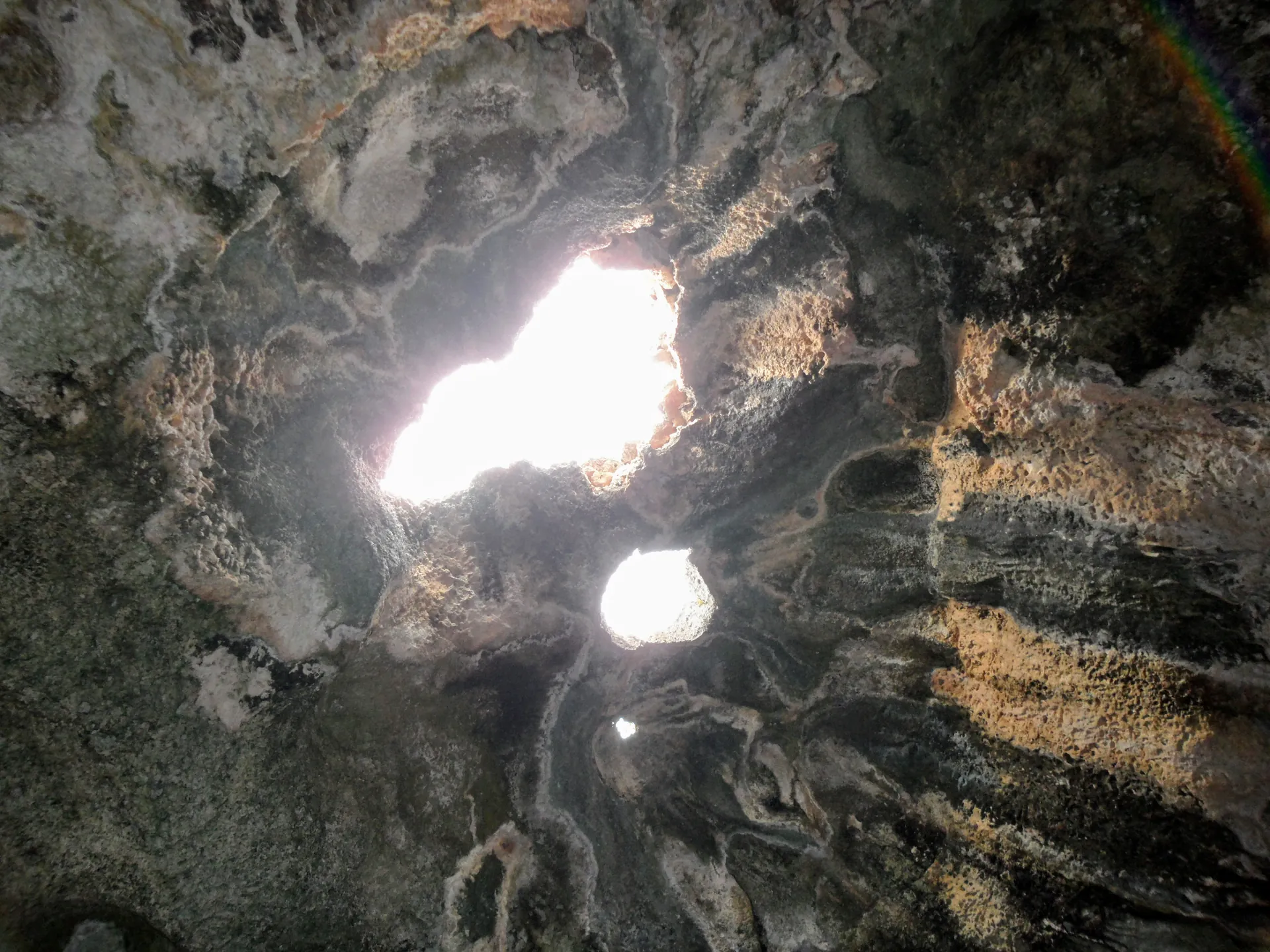
Your hands are chalky. Your shirt has a salt ring around the collar from the sweat that dried on the drive out of Arikok. The limestone dust from Guadirikiri Cave has settled into the creases of your elbows, and the only thing you can think about is something fried, salty, and unmistakably Aruban. The cave itself is a cathedral of light beams and bat chatter (proper dark in the second chamber, mind the low ceiling), but it offers nothing edible. The park boundary is a food desert in the literal sense. You need a plan.
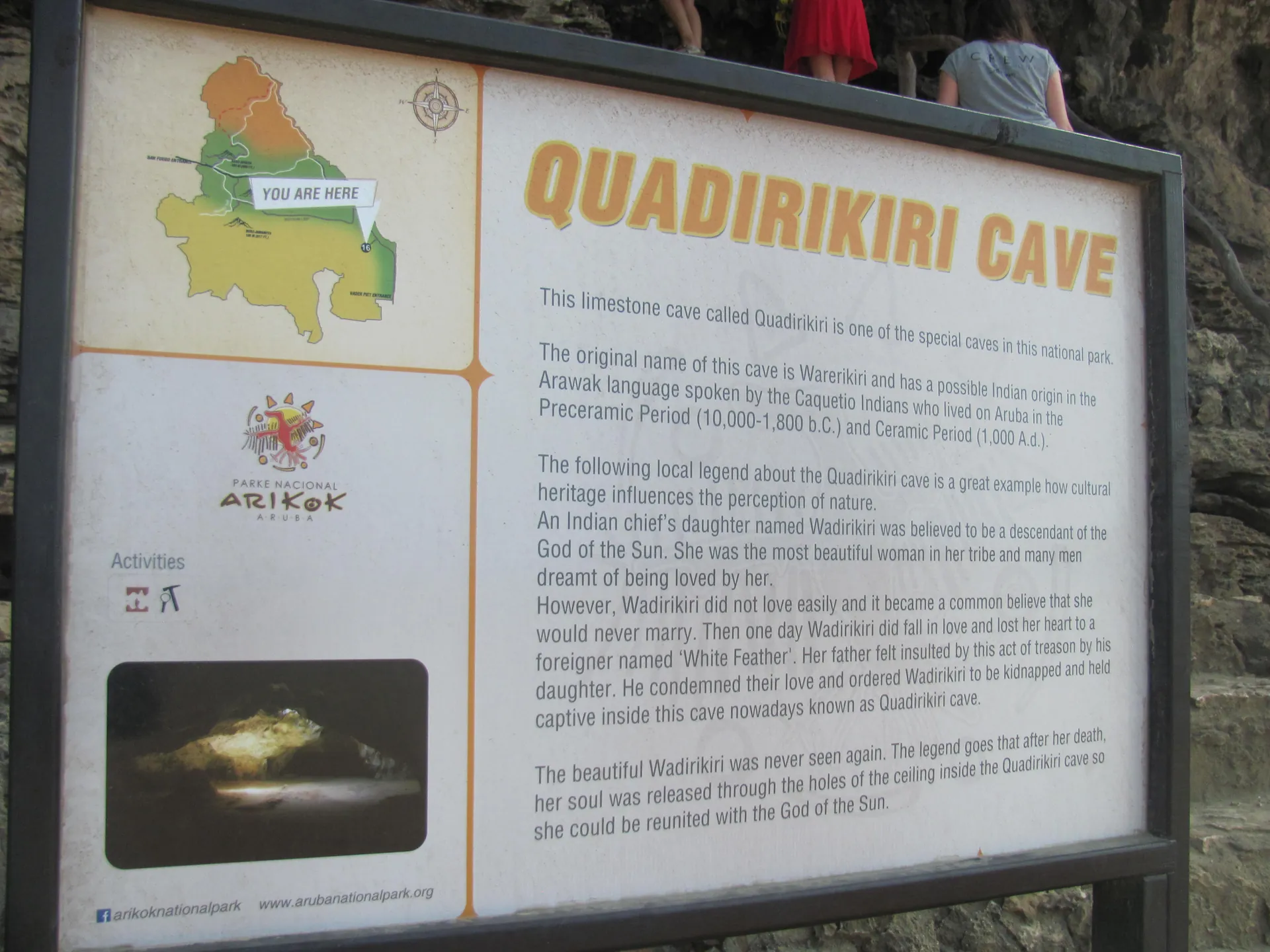
Guadirikiri sits inside Arikok National Park, and the nearest proper meal is a short drive in one of four directions. This guide maps those directions by hunger type, budget, and the clock on your dashboard. Cave content stays brief here because the real subject is what happens after you climb back into the rental car and crank the AC. For the full cave story, see the Guadirikiri Cave definitive guide or the photos and chambers page.
The Four Food Zones at a Glance
Aruba is small. From the San Fuego entrance of Arikok, you can reach any of these zones in under forty minutes. The trick is matching your post-cave energy level to the right drive. A fifteen-minute hop to Santa Cruz suits a dusty, half-delirious state. A thirty-minute run to Savaneta rewards the patient. San Nicolas is a forty-minute commitment with the best payoff for deep-local flavor. Oranjestad works when you want a late lunch that bleeds into early dinner.
| Zone | Drive from Arikok | Best For | Typical Hours | Must-Try |
|---|---|---|---|---|
| Santa Cruz / Paradera | 10–15 min | Cunucu snack bars, bakeries, picnic supplies | 06:00–14:00 (many close by 15:00) | Pastechi, pan bati, fresh bread |
| Savaneta | 25–30 min | Fresh seafood by weight, fried snapper | 11:00–20:00 (kitchen may close 15:00–17:00) | Whole fried red snapper, funchi |
| San Nicolas / Baby Beach | 35–40 min | Cheapest local plates, Chinese-Aruban kitchens, Charlie’s Bar | 10:00–21:00 (Sunday closures vary) | Keshi yena, saoto, daily specials |
| Oranjestad | 30–35 min | Sit-down classics, late lunch, early dinner | 11:30–22:00 (lunch rush 12:00–14:00) | Stoba, sopi di pisca, keshi yena |
Timing Your Post-Cave Meal
Arikok’s gates open at 08:00 and the visitor center typically closes at 16:00. Guided cave tours that include Guadirikiri and Fontein usually finish between 11:30 and 13:00. That window matters because Aruban lunch kitchens run on a tight schedule: roughly 12:00 to 14:00 is when the daily specials are hot and the fish is freshest. Arrive at 15:30 and you’ll find shuttered service windows, flipped chairs, and a cook who has already gone home to nap. The island’s dining rhythm is not a suggestion.
If your cave tour ends after 14:30, skip the snack bars and head straight to Oranjestad or a hotel restaurant. The cunucu kitchens have closed.
One more timing note: many local spots close on Sundays and Mondays. If your Arikok visit falls on those days, plan for Oranjestad or the Savaneta strip where a few seafood shacks stay open seven days. Cash is king; cards work at larger places but a 10% service charge plus 6% government tax (ABBA) often appears on the bill. Tipping extra is appreciated but not mandatory.
Zone by Zone: Where to Eat After Arikok
Santa Cruz & Paradera: The Closest Fix
You’re too hot to drive far. Santa Cruz and Paradera have the island’s best concentration of cunucu snack bars and bakeries. Look for pastel-colored buildings with bars on the windows and a line of locals at 07:00. The pastechi here comes out of the fryer at dawn and sells out by 10:00. Grab a paper bag of them, a plastic cup of coffee from a chipped enamel mug if you’re lucky, and eat standing up. The Old Cunucu House is a more formal option for a sit-down lunch, but the tiny bars along the main road are where the real post-cave magic happens. Bring small bills.
For a picnic, stop at a supermarket in Santa Cruz for Gouda, sliced ham, and fresh bread. You’ll find cooler-friendly snacks that beat anything at the park entrance. Just don’t leave food in a hot rental car while you hike. The iguana you saw on the trail will find a way in.
Savaneta: The Seafood Strip
One road, three price brackets, all within ten minutes of each other. Zeerovers is the famous one: fishing boats tie up at the dock, you point at the catch, they fry it and pile it on a paper plate with funchi and plantain. It’s messy, loud, and perfect at 13:00. Further along, smaller shacks sell whole red snapper by weight. The plastic tables and paper plates outshine the linen ones at lunch because the fish hasn’t traveled more than fifty meters. Cash only at the tiny places; Zeerovers takes cards. Expect to pay around 35–55 AWG (20–30 USD) for a full fish plate.
San Nicolas & Baby Beach: Deep Local
This is the cheapest, most Caribbean corner of Aruba’s food map. Charlie’s Bar is the mythic stop, covered in decades of business cards and nautical junk, serving cold Balashi and hearty bar food. The real draw is the Chinese-Aruban kitchens and cafeteria-style daily specials that reflect the refinery decades. Saoto (Indonesian chicken soup) appears on menus alongside keshi yena. Order the day’s special without asking what it is. You’ll get rice, beans, a piece of stewed goat or beef, and fried plantain for under 15 AWG (8 USD). Baby Beach is nearby for a post-lunch swim, but check the visitor rules for the natural pool area (no swimming in the cave pool, and that closure is permanent).
Oranjestad: The Second Shift
If your cave visit ended late, Oranjestad has the widest range of sit-down options with local dishes on the menu. The downtown classics serve keshi yena, stoba, and sopi di pisca until 22:00. This is where you go when you want a tablecloth, a proper napkin, and a waitress who will tell you that the iguana stew is better on Thursdays. Noord has similar hotel-adjacent spots. Taxi from Arikok to Oranjestad runs about 45–55 USD; a rental car is cheaper and lets you stop at a beach on the way back.
For a quick fix, the Aruba tourism board site lists current restaurant hours, but call ahead. Hours shift with the cruise ship schedule.
What ‘Local’ Actually Means Here
Aruban food is a palimpsest. The base layer is cunucu cooking: the rural, home-kitchen style that uses what grows in the island’s arid soil plus whatever the sea provides. The Dutch left Gouda cheese, which melted into dishes like keshi yena. The refinery years brought Indonesian and Chinese workers whose kitchens added saoto, bami, and nasi goreng to the lunch rotation. Venezuelan and wider Caribbean currents show up in the arepas, the plantain, and the pepper sauces. Don’t expect one monolithic cuisine. Expect a conversation.
Papiamento phrases help: dushi means sweet or lovely (used for food and people), hopi bon is very good, and na bo salú is cheers. A smile and a pointed finger at what the person next to you is eating works even better.
Pastechi: The Entry-Level Rite
A pastechi is a half-moon of fried dough, crimped at the edge, filled with either Gouda cheese or spiced beef (sometimes chicken, sometimes tuna). It costs between 2.50 and 4.00 AWG (1.50–2.50 USD) at any snack bar. The best ones come out of the oil before 09:00, when the dough is still pillowy and the filling hasn’t had time to leak. By noon they’re sitting under a heat lamp, which is a tragedy but still edible. You’ll find the best pastechi in Santa Cruz and Paradera, though San Nicolas gives them a run for the money. Eat two, regret nothing, then order a third for the road.
The Plate List: Keshi Yena, Pan Bati, and More
- Keshi yena (KEH-shee YEH-nah): A hollowed-out shell of Gouda stuffed with spiced meat, raisins, olives, and peppers, then baked. Heavy, rich, and worth it if you haven’t just hiked in the sun.
- Pan bati (pan BAH-tee): A slightly sweet cornmeal pancake, served alongside stews. Perfect for sopping up sauce.
- Funchi (FOON-chee): Cornmeal porridge, firm and sliced, often fried. The Aruban answer to polenta.
- Stoba (STOH-bah): A slow-cooked stew, usually beef or goat, sometimes iguana. Served with rice and beans.
- Sopi di pisca (SOH-pee dee PEES-kah): Fish soup, brothy and saffron-tinged, with chunks of fresh catch.
- Saoto (SOW-toh): Indonesian chicken soup with bean sprouts, egg, and fried shallots. A refinery-era staple.
- Fresh seafood: Whole snapper, grouper, or mahi-mahi, fried or grilled, sold by weight at the Savaneta shacks.
Dish and Price Guide
| Dish | Description | Typical Price (AWG / USD) | Where to Try |
|---|---|---|---|
| Pastechi | Fried dough with Gouda or spiced beef | 2.50–4.00 / 1.50–2.50 | Santa Cruz bakeries, San Nicolas |
| Keshi yena | Stuffed Gouda shell with meat and raisins | 18–25 / 10–14 | Oranjestad, The Old Cunucu House |
| Pan bati | Sweet cornmeal pancake | 3–5 / 2–3 (side) | Any local lunch spot |
| Funchi | Cornmeal porridge, fried or sliced | 4–6 / 2–3.50 (side) | Savaneta seafood shacks |
| Whole fried snapper | Fresh fish, scaled and fried, with funchi | 35–55 / 20–30 | Zeerovers, Savaneta strip |
| Stoba (goat or beef) | Slow-cooked stew with rice and beans | 15–22 / 8–12 | San Nicolas cafeterias |
| Saoto | Indonesian chicken soup | 10–15 / 6–9 | San Nicolas, Oranjestad |
Pairing Your Cave Tour with Lunch
Several guided tours include a lunch stop or end near a food zone. The Tickets & Tours page lists current options, including jeep safaris that finish in San Nicolas or Savaneta. If you book a morning tour, you’ll be hungry by noon and perfectly placed. If you book an afternoon tour, eat a big lunch before you go because the kitchens will be closed when you finish. Note that cave pool entry is closed permanently (no swimming, no wading) for safety and conservation. Don’t believe any tour that offers a swim in the cave pool. That’s a red flag.
Driving yourself? You can drive to Quadirikiri Cave, but you still need to pay the Arikok entry fee (around 11 USD per adult). The road is paved to the parking area, then a short walk and stairs to the cave entrance. Rental car restrictions apply; check the transport page for details on what your rental agreement allows on unpaved roads.
Final Bites: Cash, Hydration, and Hours
Bring more water than you think you need. The salt-and-dust hunger is real, but dehydration will ruin your appetite. Cash is preferred at small spots; cards work at larger restaurants. Service charge (10%) and government tax (6%) often appear on the bill, so check before tipping extra. Most local places close on Sundays and Mondays. Don’t leave leftovers in a hot car. And respect the park rules: stay on marked paths, keep quiet around the bats, and never enter the cave pool. The park’s official site (arubanationalpark.org) has current hours and fees. For packing advice, see the Arikok packing list & desert safety post. For cave etiquette, read the Aruba cave etiquette guide. And if you’re deciding between caves, the Fontein vs Guadirikiri comparison will help. There’s no better way to cool down then a cold Balashi after a hot hike. Trust me on that.
External Resources
- Aruba Tourism Authority – official visitor information and restaurant listings.
- Arikok National Park – park hours, entry fees, and rules.
- Zeerovers – Savaneta seafood institution, fresh catch by weight.
- The Old Cunucu House – Oranjestad restaurant serving traditional Aruban dishes.
Two quick itineraries: Morning cave tour → drive to San Nicolas for a 13:00 lunch at a cafeteria (keshi yena or daily special), then Baby Beach for a swim. Afternoon cave tour (finishing 15:00) → skip lunch, drive to Savaneta for an early dinner at 17:00 when the seafood shacks reopen. Both work. Both end with a full stomach and limestone dust in your socks.